Status: Completed
Services: Feasibility, Design, Approvals, Construction
Client: Family
Scope: Entire house renovation including landscaping
This project involved assessing renovation and extension options for a single-storey home in St Ives Chase for a family of four who had needed more space and renovation throughout.
The family purchased the property primarily to secure access to a highly ranked local public school. Demand for homes within the catchment area is strong, often forcing buyers to secure any available property and improve it later through renovation.
While the house sat on a large block typical for the suburb, the internal layout was inefficient and many of the finishes were original. The feasibility study explored how the property could be reconfigured and extended to better suit modern family living while remaining practical from a planning and construction perspective.
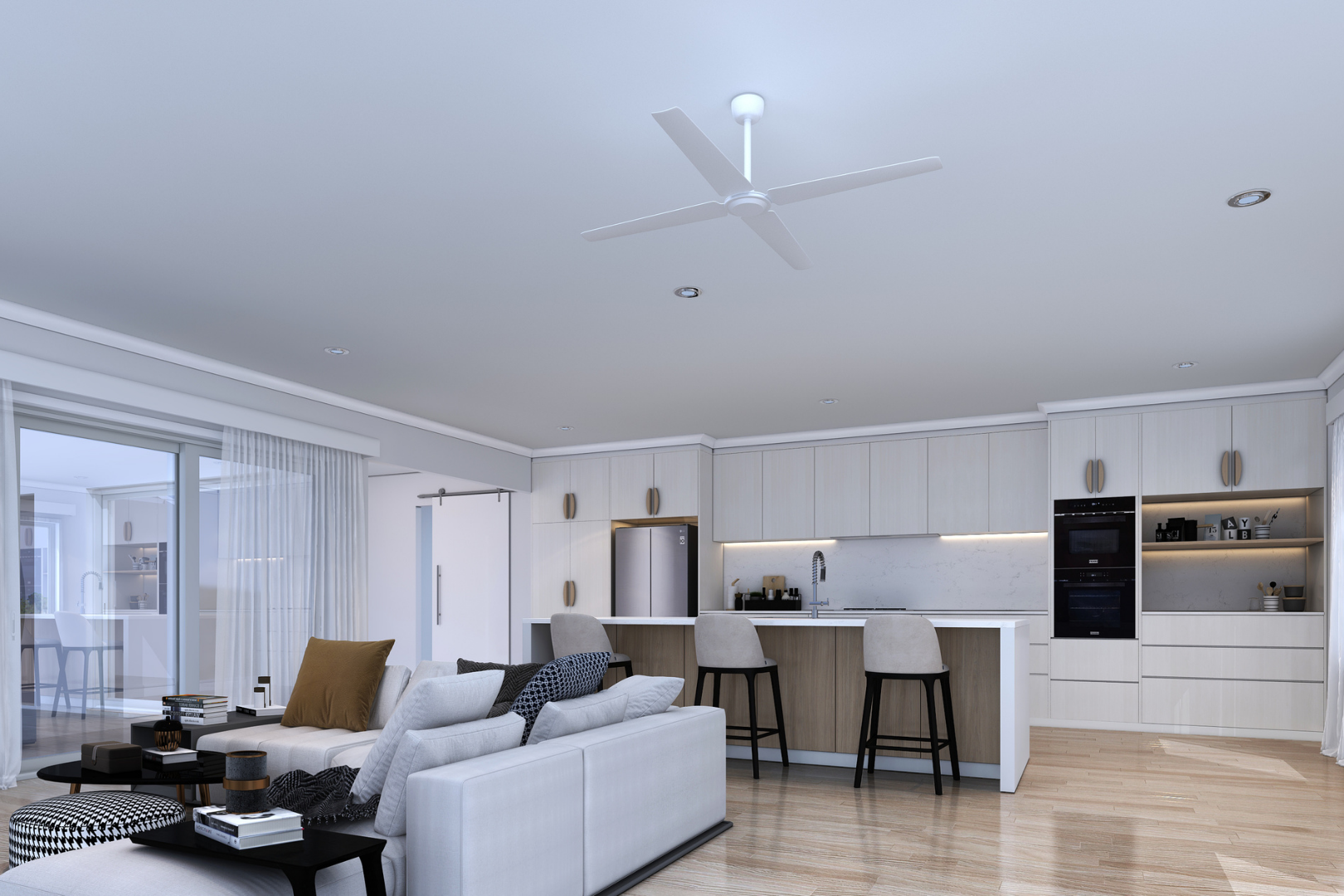
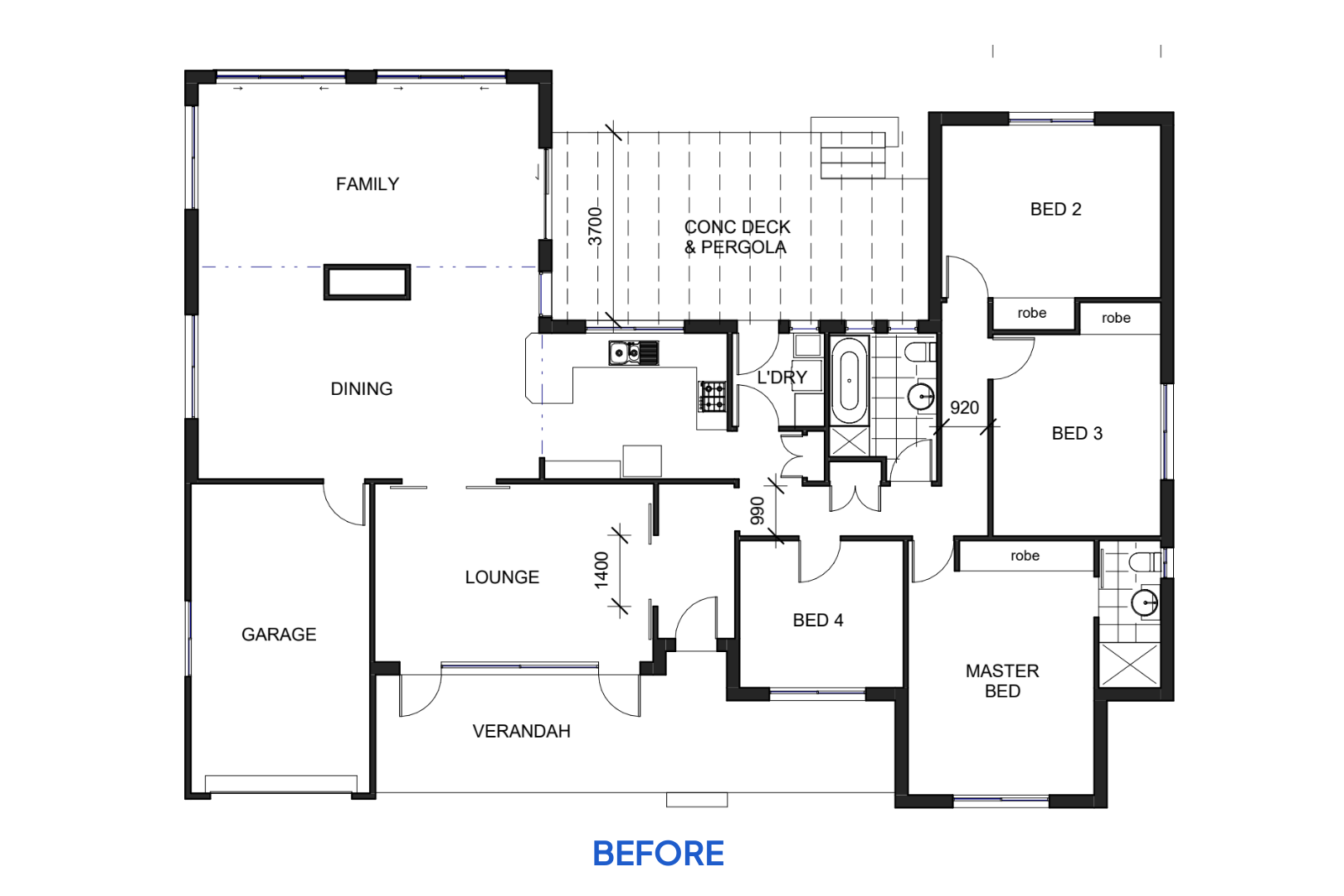
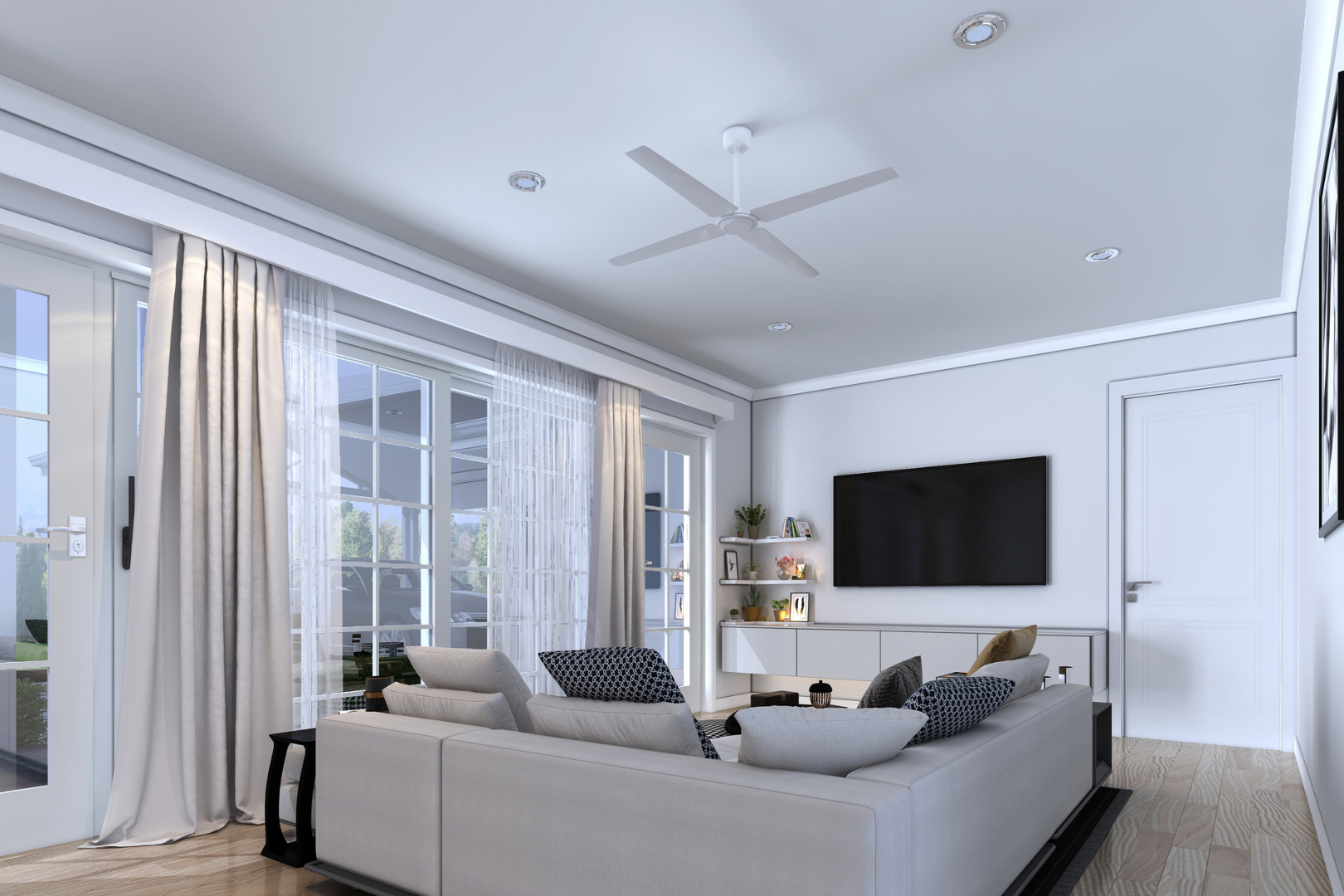
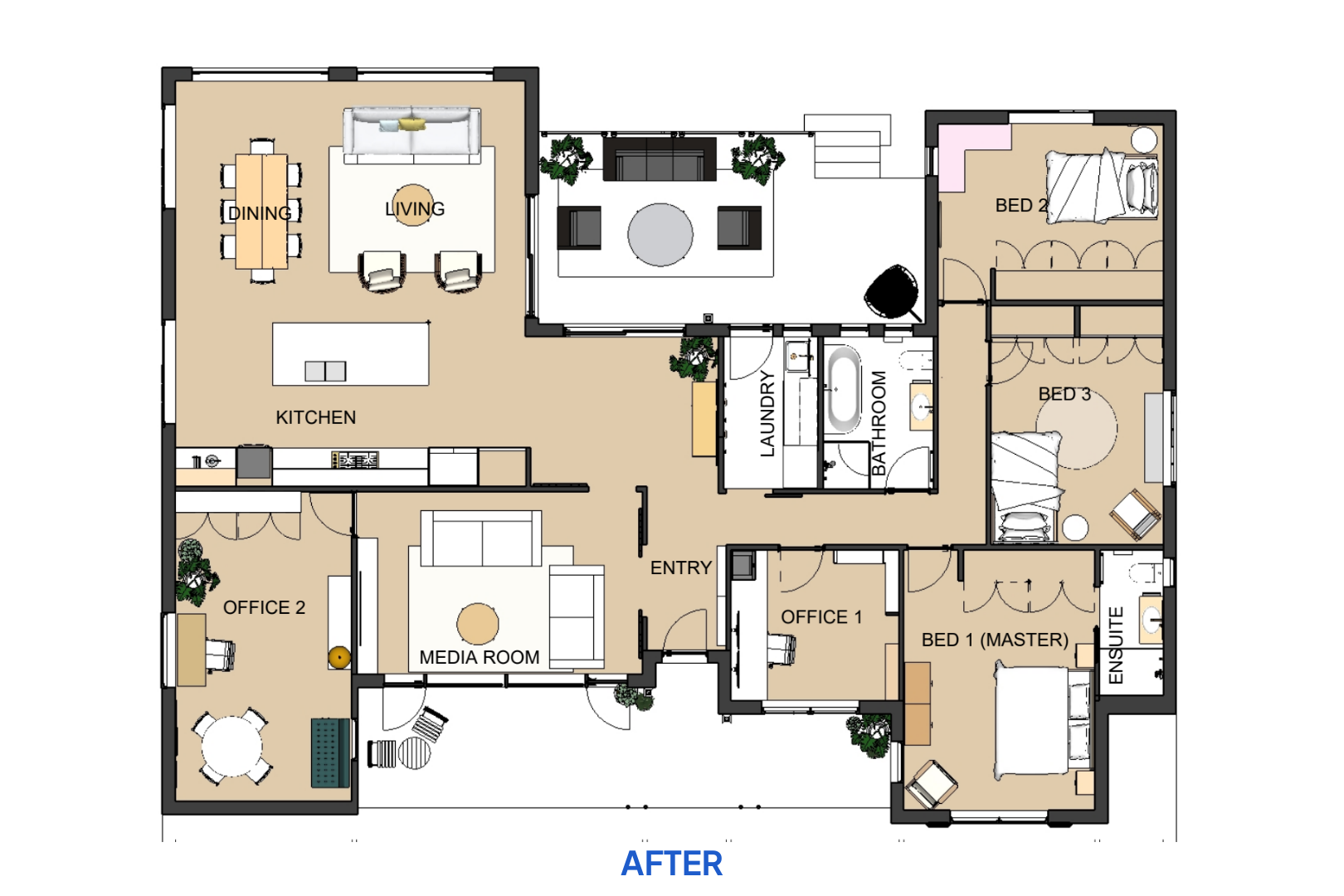
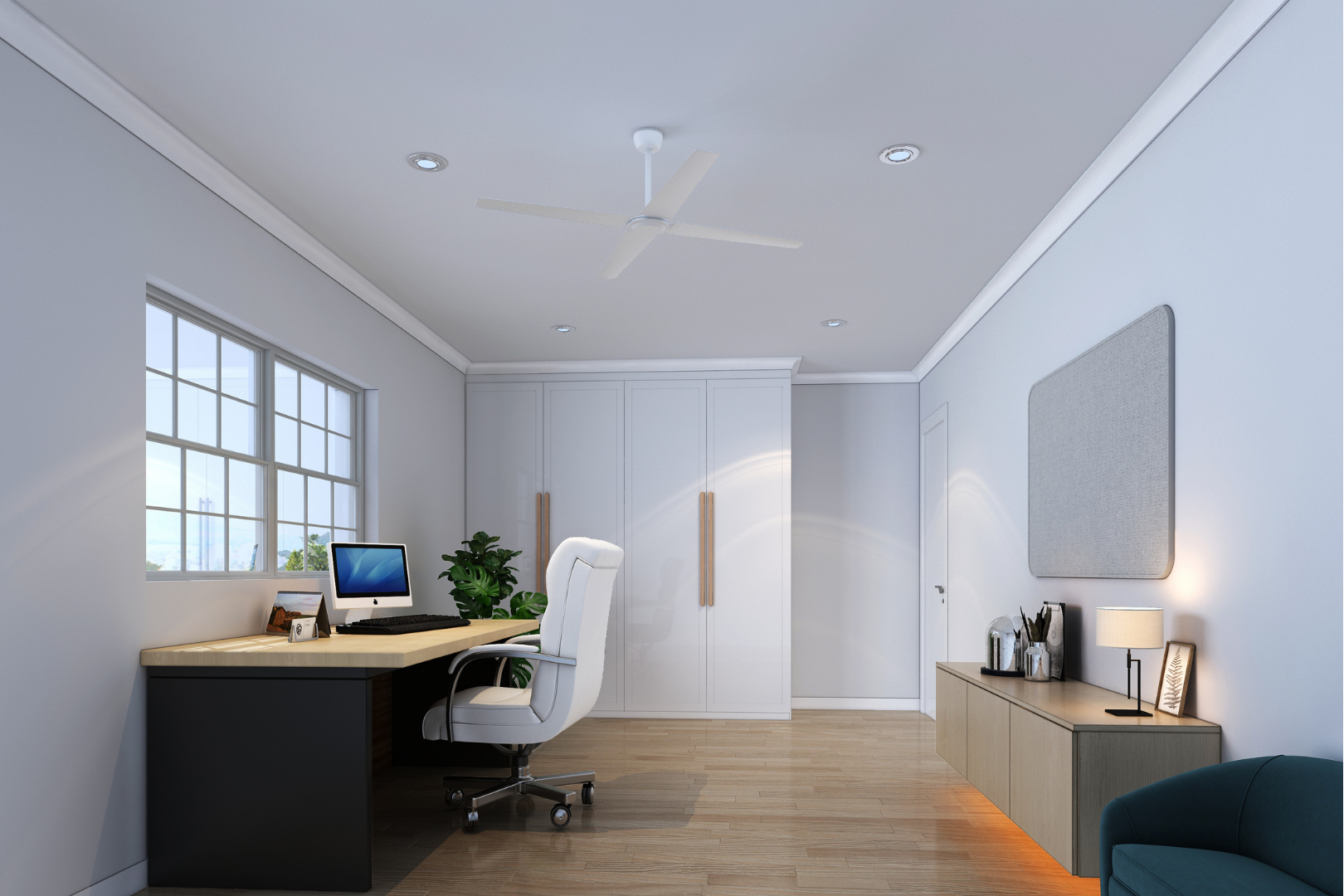
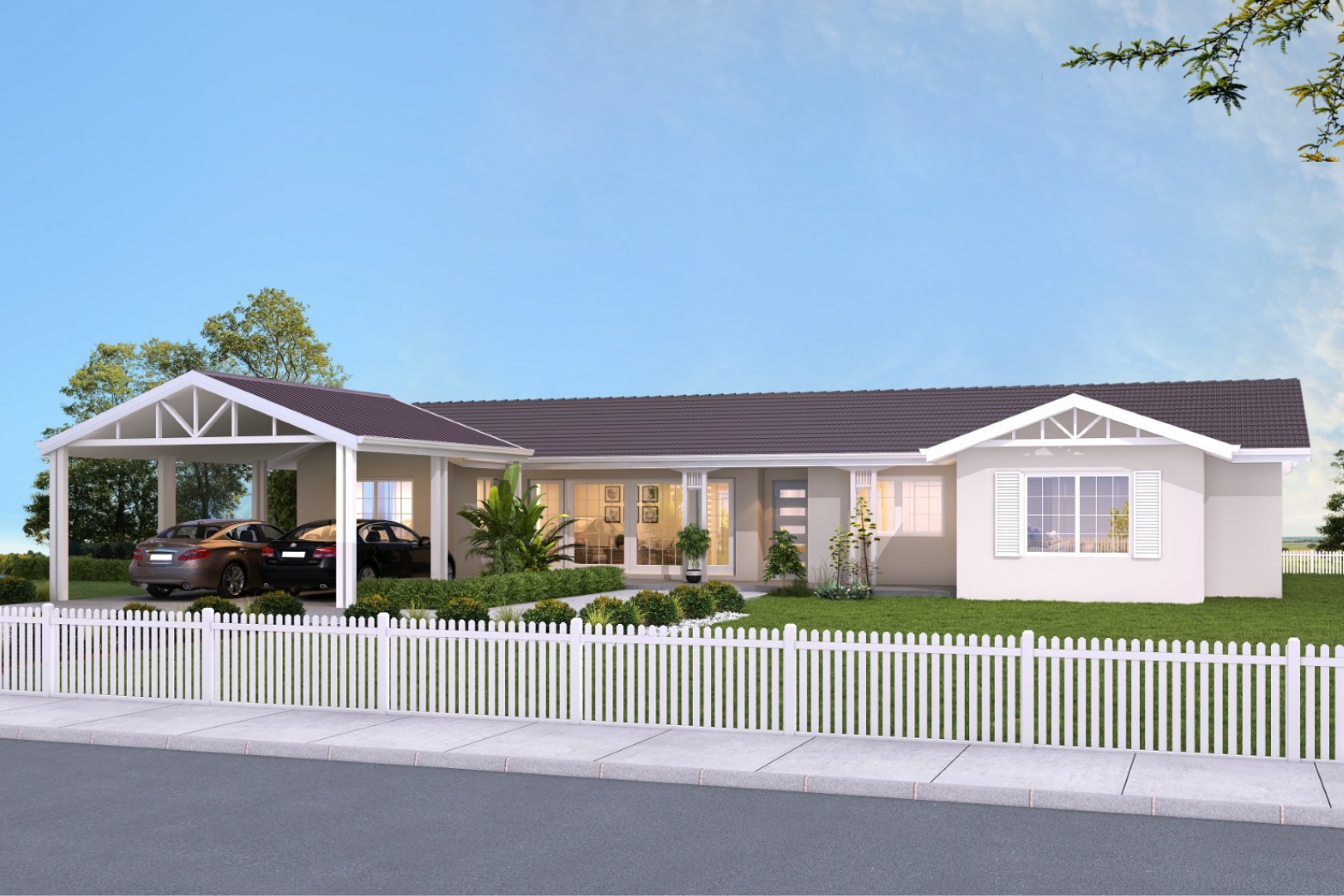
The final strategy focused on converting the existing garage into a second home office, constructing a new two-car carport and opening the internal layout to create open plan and indoor–outdoor living.
Project Snapshot
Property Type: Single-storey house
Land Size: ~940m² block
Construction: Brick veneer
Zoning: R2 Low Density Residential (Ku-ring-gai LEP 2015)
Highest & Best Use: Single dwelling
Strategy: Internal reconfiguration, garage conversion and new carport to improve layout and parking
Approval pathway: CDC for internal works and DA for carport
Construction: 8 months
ROI: estimated 5–10% equity gain with additional upside from strong suburb capital growth
The challenge was to determine how the property could be reconfigured and extended to bridge the gap between the existing house and the family’s lifestyle requirements all while creating value.
Although the property had sufficient land and overall floor area, the layout reflected the design common in older homes.
As the scope was broad it allowed for creative design and repurposing of space.
Client Requirements
Existing Conditions
While the property provided a solid foundation with a large block and structurally sound house, several key elements required modification to meet the family’s lifestyle needs.
These included creating an additional home office, providing space for two cars, improving internal flow and strengthening the connection between indoor and outdoor living areas.
The feasibility study reviewed demographics, comparable sales, planning controls and construction considerations to understand whether these improvements could be delivered practically and whether they would align with the suburb’s market characteristics.
Demographics
These characteristics closely match the client family profile and support strong demand for well-configured family homes.
Comparable Sales
The Market
Highest and Best Use
Highest and best use considers the most valuable use of the property that is physically possible, legally permissible and financially feasible.
Current highest and best use remains a single residential dwelling.
The Existing Dwelling
Planning Controls
Several planning provisions were identified as being underutilised which included:
These controls provided flexibility to extend and reconfigure the dwelling to meet the client’s requirements. Internal works would likely be approved under CDC and external works requiring a DA.
Construction and NCC
Analysis
The gap between the existing house and the client’s wish list required several key improvements:
Underutilised planning controls made these improvements achievable through targeted extension and internal reconfiguration.
Results
The following strategy was identified to bridge the gap between the existing dwelling and the client’s requirements:
Total Estimated Cost
Major scope items contributing to total project cost included:
ROI
Design development focused on delivering the client’s requirements while controlling project costs through design iterations until the right balance between cost and value was struck.
Design Strategy
To control cost, a draftsperson was engaged for the straightforward DA documentation while an interior designer assisted with the internal layout and client preferences.
Design documentation was completed in approximately two months.
Approvals were split between CDC and DA pathways to accelerate the program.
CDC Works
DA Works
Council required the carport to remain fully open rather than partially enclosed as originally proposed, requiring a minor design amendment.
Approval Timeframes
Most construction challenges were identified during the feasibility stage.
During construction it was discovered that the existing stormwater absorption trench system was no longer functioning effectively and required replacement with a new stormwater connection to the street.
Council also imposed tree protection measures that prevented the use of heavy machinery when constructing the carport and driveway turning area.
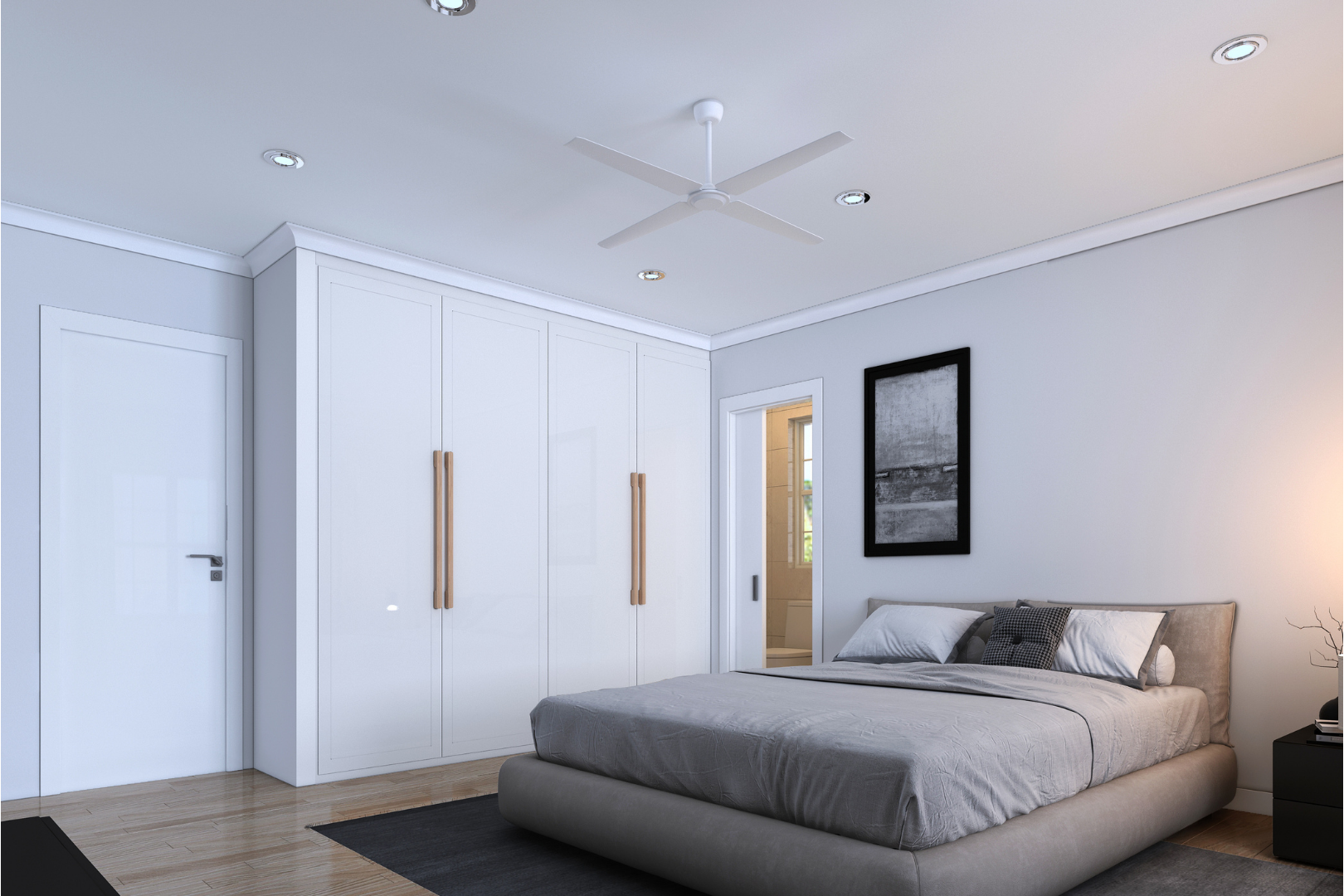
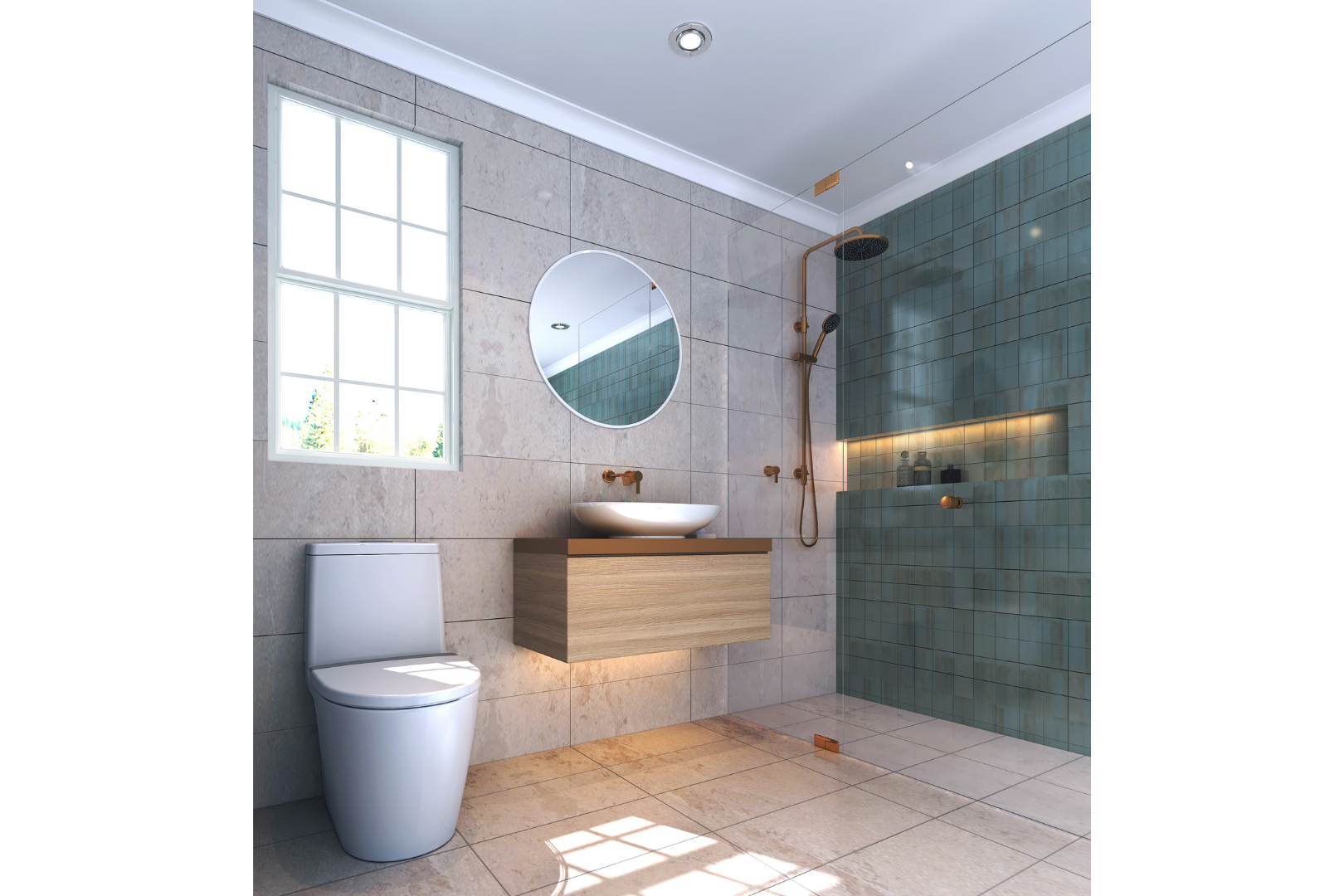
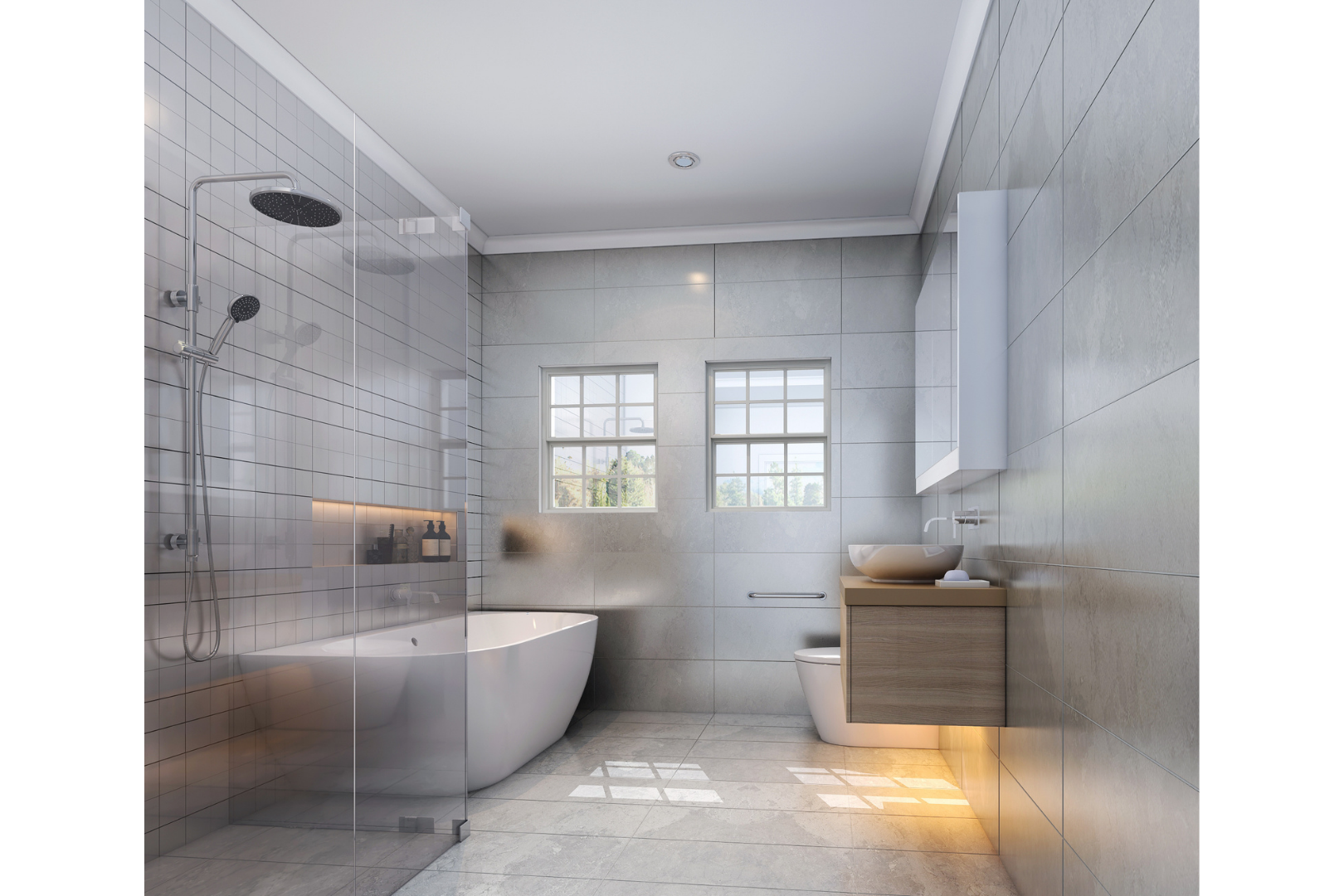
Renovation scope was extensive including a complete renovation internally and externally including landscaping.
The construction program took approximately 8 months.
The challenge was to determine how the property could be reconfigured and extended to bridge the gap between the existing house and the family’s lifestyle requirements all while creating value.
Although the property had sufficient land and overall floor area, the layout reflected the design common in older homes.
As the scope was broad it allowed for creative design and repurposing of space.
Client Requirements
Existing Conditions
While the property provided a solid foundation with a large block and structurally sound house, several key elements required modification to meet the family’s lifestyle needs.
These included creating an additional home office, providing space for two cars, improving internal flow and strengthening the connection between indoor and outdoor living areas.
The feasibility study reviewed demographics, comparable sales, planning controls and construction considerations to understand whether these improvements could be delivered practically and whether they would align with the suburb’s market characteristics.
Demographics
These characteristics closely match the client family profile and support strong demand for well-configured family homes.
Comparable Sales
The Market
Highest and Best Use
Highest and best use considers the most valuable use of the property that is physically possible, legally permissible and financially feasible.
Current highest and best use remains a single residential dwelling.
The Existing Dwelling
Planning Controls
Several planning provisions were identified as being underutilised which included:
These controls provided flexibility to extend and reconfigure the dwelling to meet the client’s requirements. Internal works would likely be approved under CDC and external works requiring a DA.
Construction and NCC
Analysis
The gap between the existing house and the client’s wish list required several key improvements:
Underutilised planning controls made these improvements achievable through targeted extension and internal reconfiguration.
Results
The following strategy was identified to bridge the gap between the existing dwelling and the client’s requirements:
Total Estimated Cost
Major scope items contributing to total project cost included:
ROI
Design development focused on delivering the client’s requirements while controlling project costs through design iterations until the right balance between cost and value was struck.
Design Strategy
To control cost, a draftsperson was engaged for the straightforward DA documentation while an interior designer assisted with the internal layout and client preferences.
Design documentation was completed in approximately two months.
Approvals were split between CDC and DA pathways to accelerate the program.
CDC Works
DA Works
Council required the carport to remain fully open rather than partially enclosed as originally proposed, requiring a minor design amendment.
Approval Timeframes
Most construction challenges were identified during the feasibility stage.
During construction it was discovered that the existing stormwater absorption trench system was no longer functioning effectively and required replacement with a new stormwater connection to the street.
Council also imposed tree protection measures that prevented the use of heavy machinery when constructing the carport and driveway turning area.
Renovation scope was extensive including a complete renovation internally and externally including landscaping.
The construction program took approximately 8 months.
The feasibility study estimated an equity gain of approximately 5–10% relative to the total project cost.
Due to inconsistent comparable sales data, isolating the precise value uplift from the renovation alone was difficult.
However, market conditions in the suburb strengthened during the project. Within twelve months of preparing the feasibility report, the median house price in St Ives Chase increased by approximately 12%.
The renovation successfully repositioned the property as a modern family home aligned with the suburb’s dominant demographic demand.
Renovations often deliver stronger value uplift when the existing dwelling is significantly outdated.
Some construction costs such as structural reconfiguration, service repairs and asbestos remediation may not directly translate into increased property value.
Strong demand driven by access to high-ranking public schools continues to support long-term property values in St Ives.
If you have a project in mind, now is the perfect time to speak with someone who can help you plan it properly.