Status: DA Approved
Services: Feasibility, Design, Approvals, Construction
Client: Investor
Scope: Entire property renovation including extensive additions and alterations
This project assessed redevelopment options for a heritage-listed mixed-use terrace on Glebe Point Road, one of the suburb’s main retail corridors.
The property was significantly underperforming from an income perspective. A long-term tenant occupied the entire building, operating a small business on the ground floor while residing in the upper level.
As the residential space could only be accessed through the retail tenancy, the building functioned as a single tenancy, limiting its rental potential.
Due to the mixed-use zoning, the building presented several permitted use scenarios.
A feasibility study was undertaken to analyse planning controls, demographic demand, construction risks and NCC compliance requirements to determine the highest and best use of the property.
The analysis identified two renovation options:
While the boarding house option produced more rooms, it introduced significantly higher compliance and construction costs due to additional NCC and planning requirements and produced lower income due to affordable housing legislation.
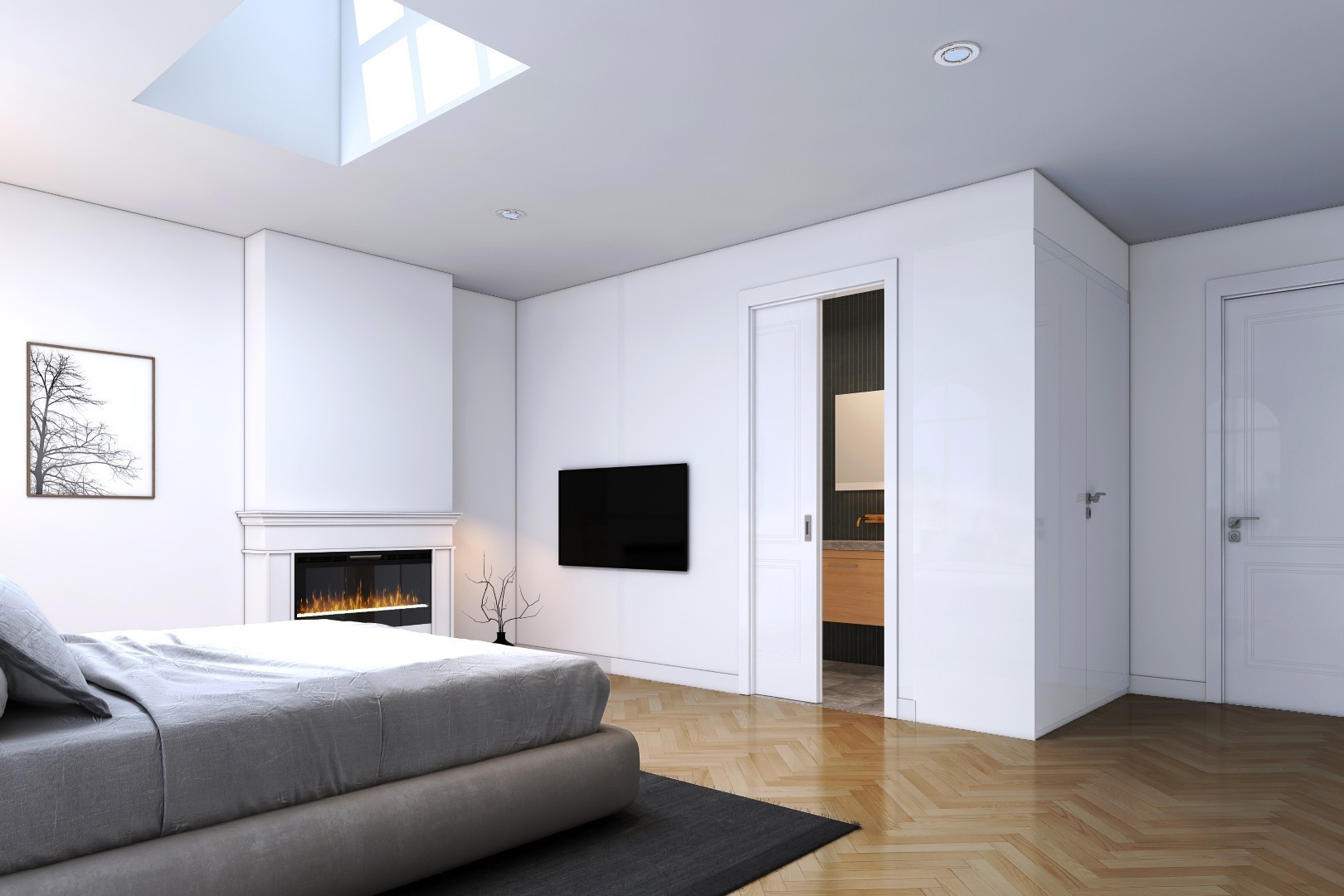
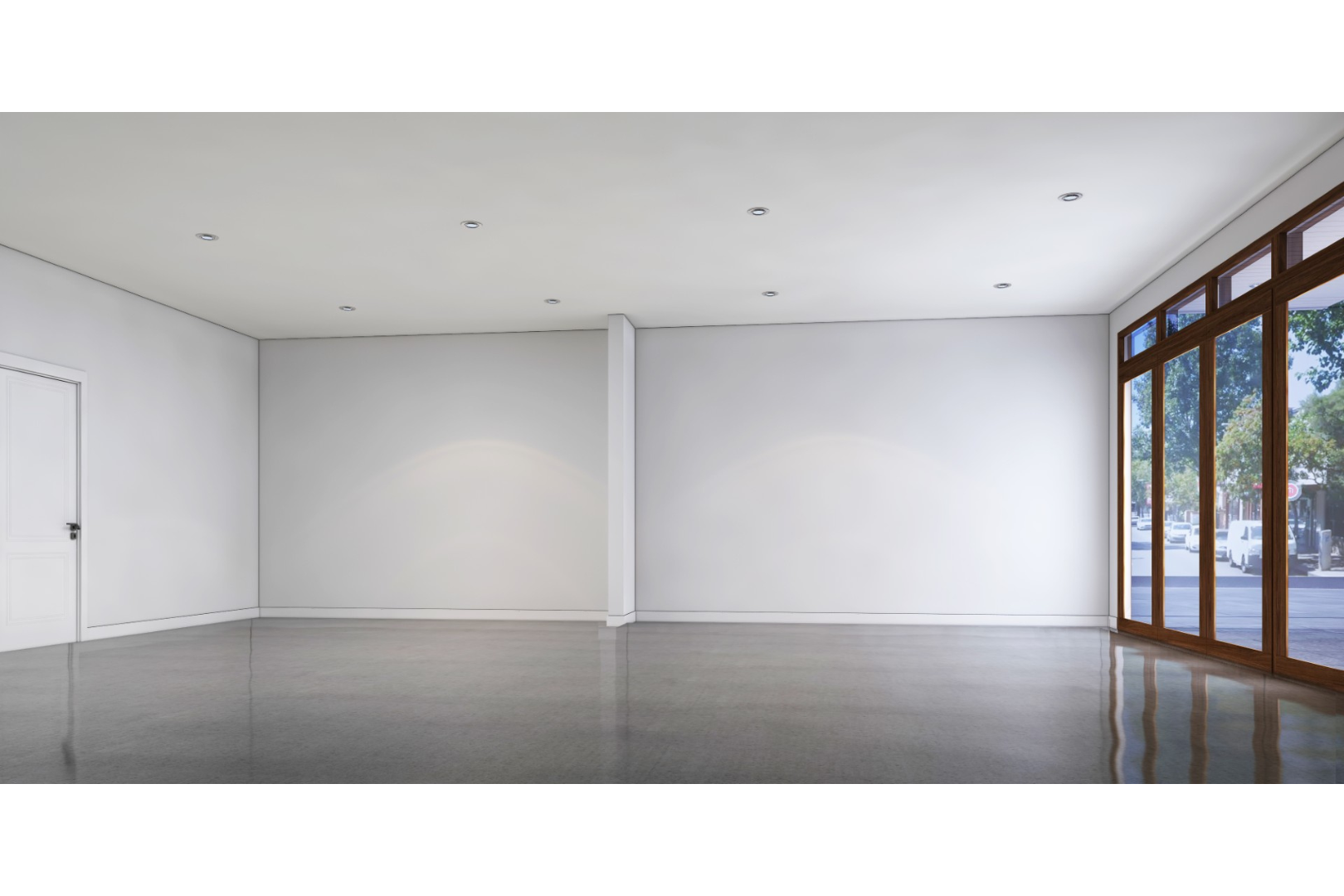
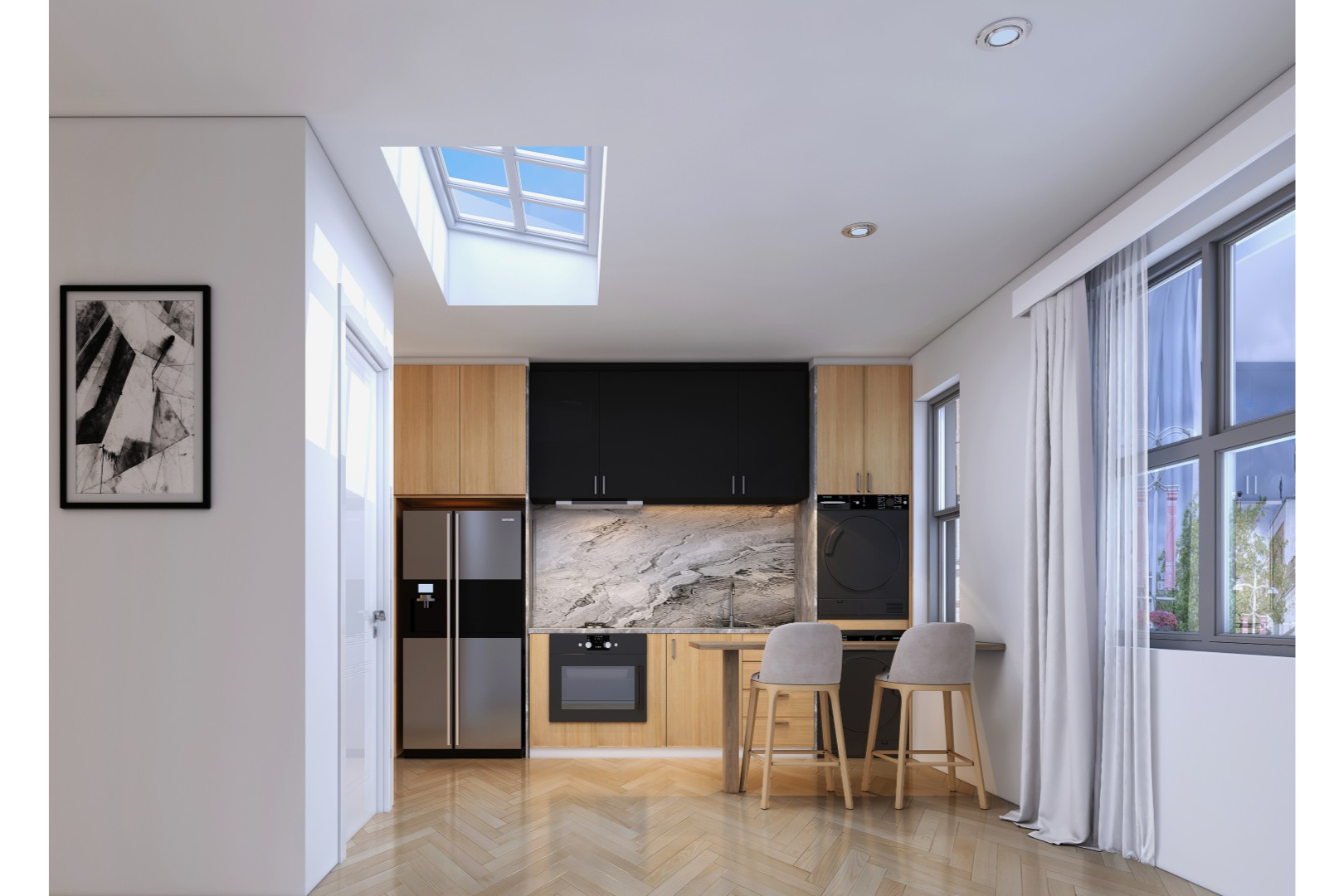
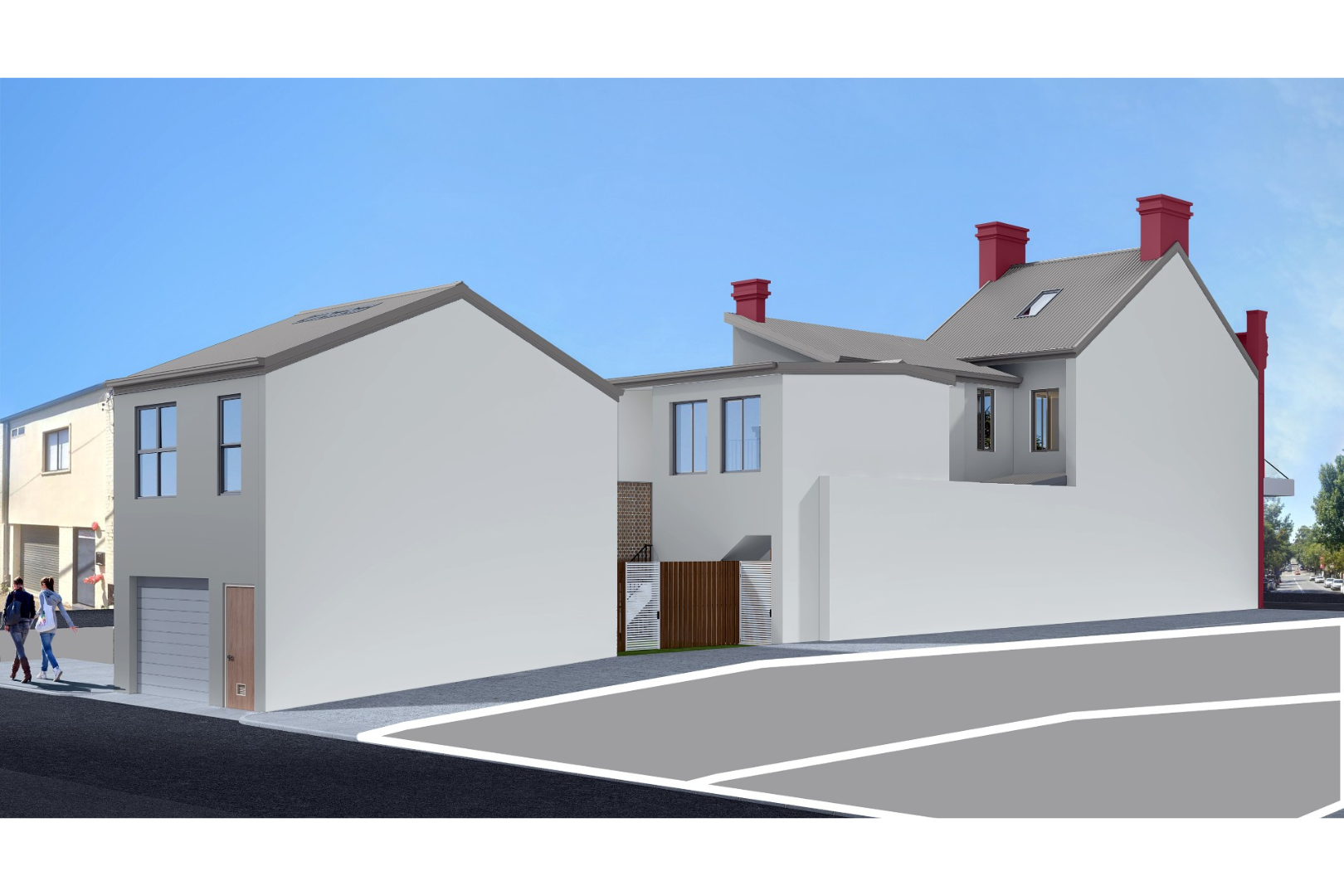
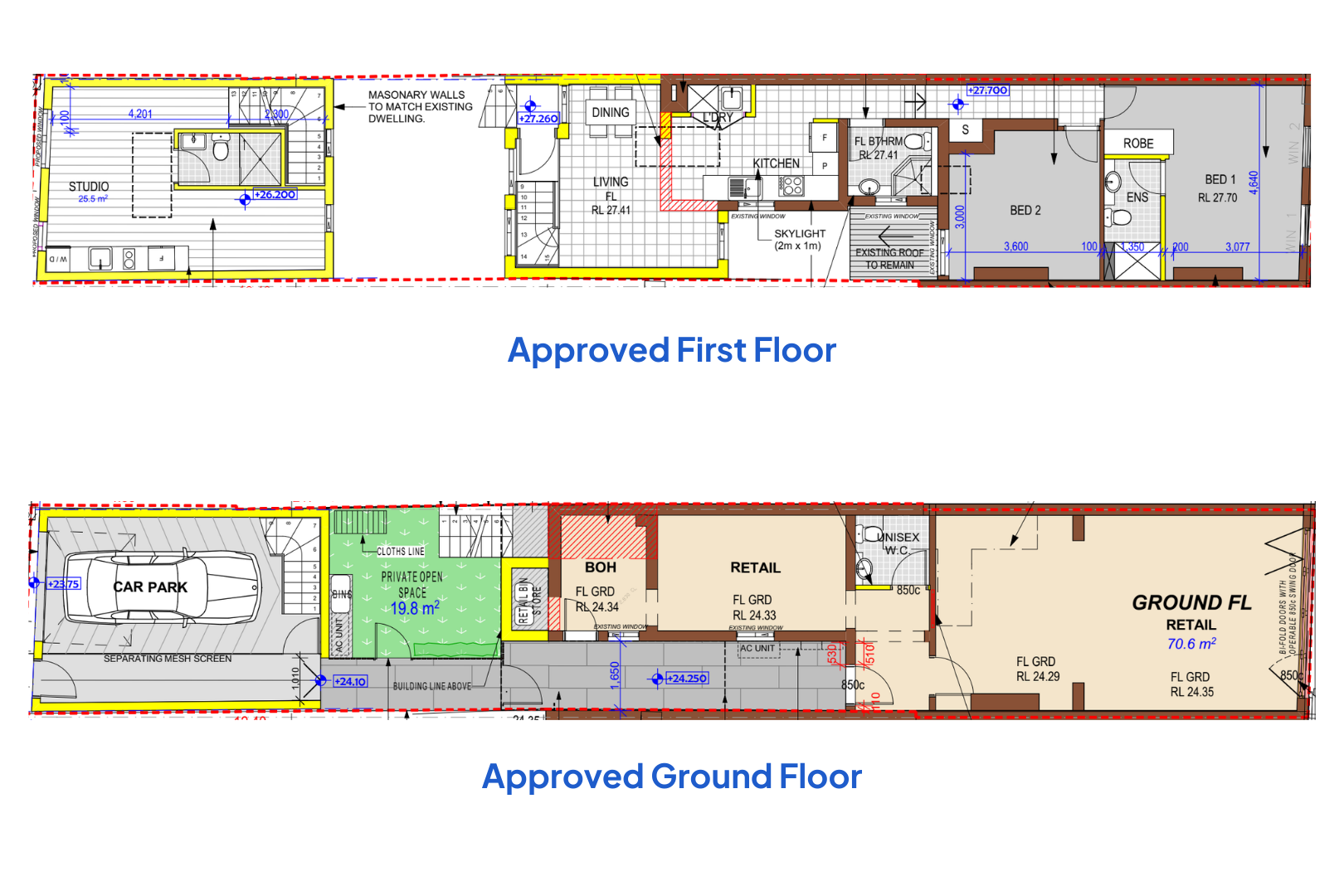
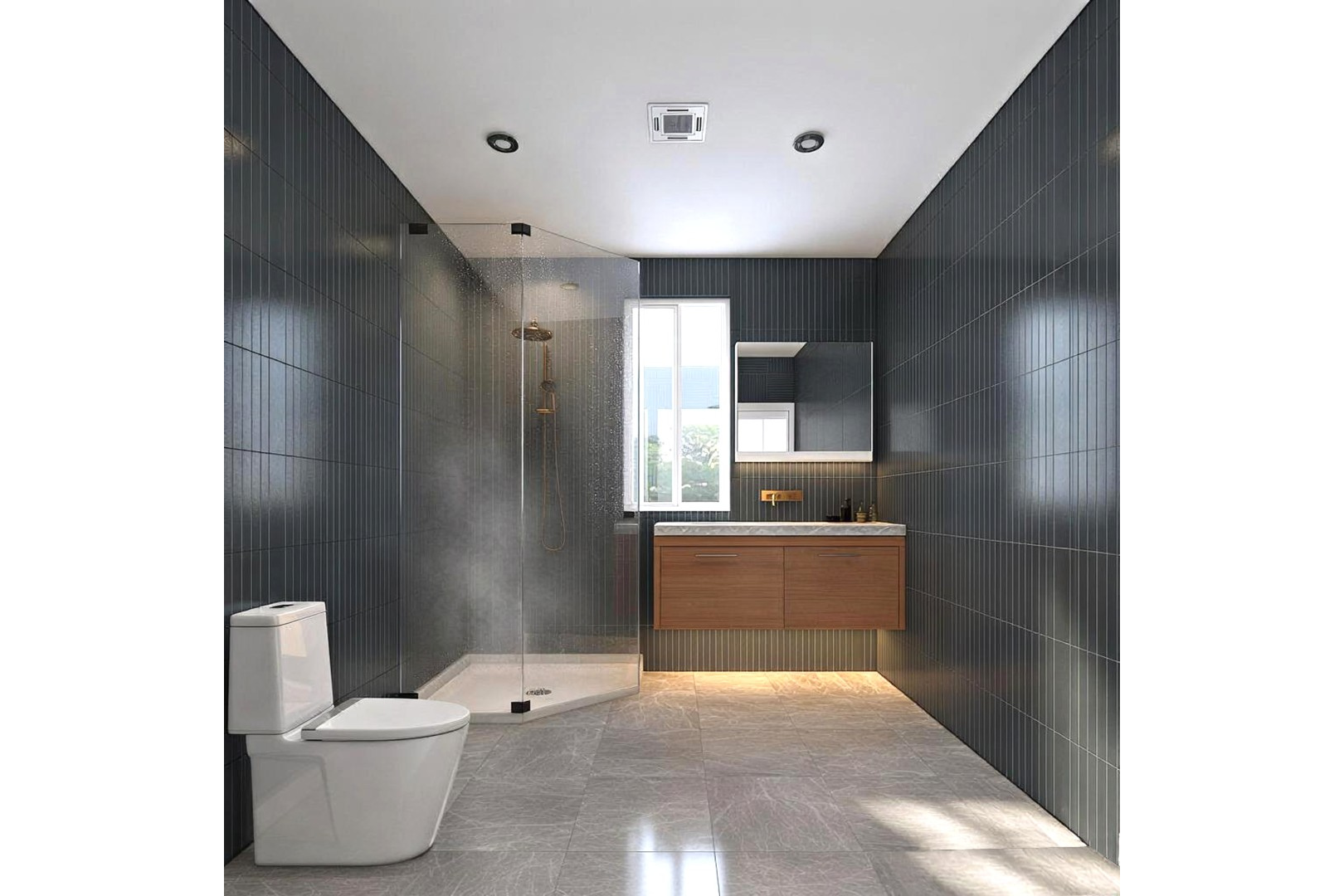
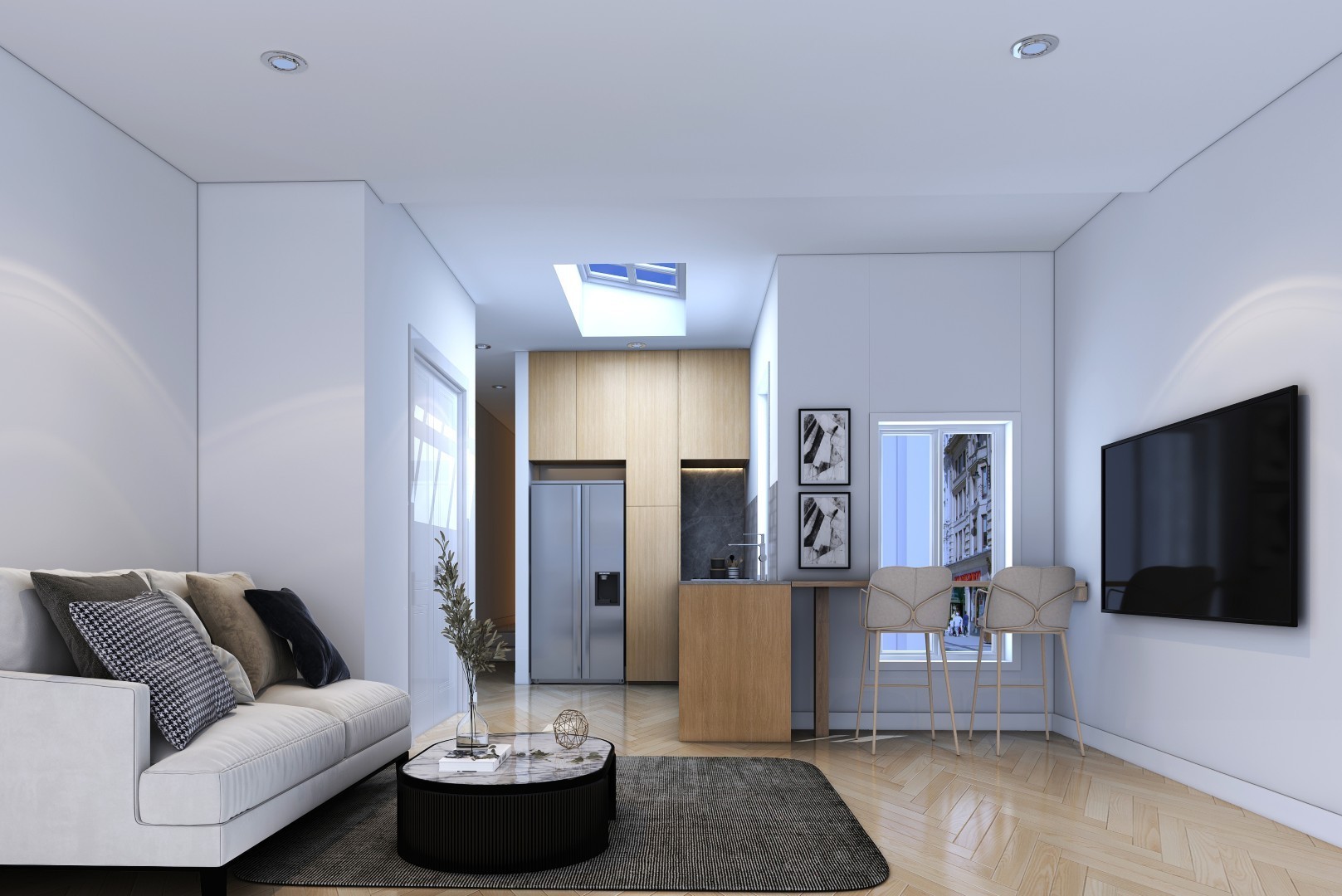
The strategy with the highest ROI included retaining the ground floor retail tenancy while creating a 2 bedroom 2 bathroom apartment above and a self contained studio to the rear of the property.
Project Snapshot
Property Type: Two-storey mixed-use terrace
Land Size: 150m² block with rear lane access
Construction: Double brick and timber
Zoning: E1 Local Centre (Sydney LEP 2012)
Heritage Status: Local heritage significance
Highest & Best Use: Retail tenancy with apartment and studio rather than boarding house conversion
Strategy: separate commercial and residential uses to create three income streams
Approval pathway: Development Application
Construction: 10 months program anticipated.
ROI: 5.7% p.a. on total project cost

The property was significantly underperforming from an income perspective. A long-term tenant occupied the entire building, operating a small business on the ground floor while residing in the upper levels.
As the residential areas could only be accessed through the retail tenancy, the building functioned as a single tenancy and could not be leased separately to commercial and residential occupants.
Due to the mixed-use zoning, the building presented several renovation and extension options.
The key challenge was identifying the highest and best use of the property that could unlock additional income while managing planning constraints, heritage considerations and NCC compliance requirements.
The investor’s objective was to determine which renovation and change-of-use strategy would deliver the strongest return on investment.
Key Challenges
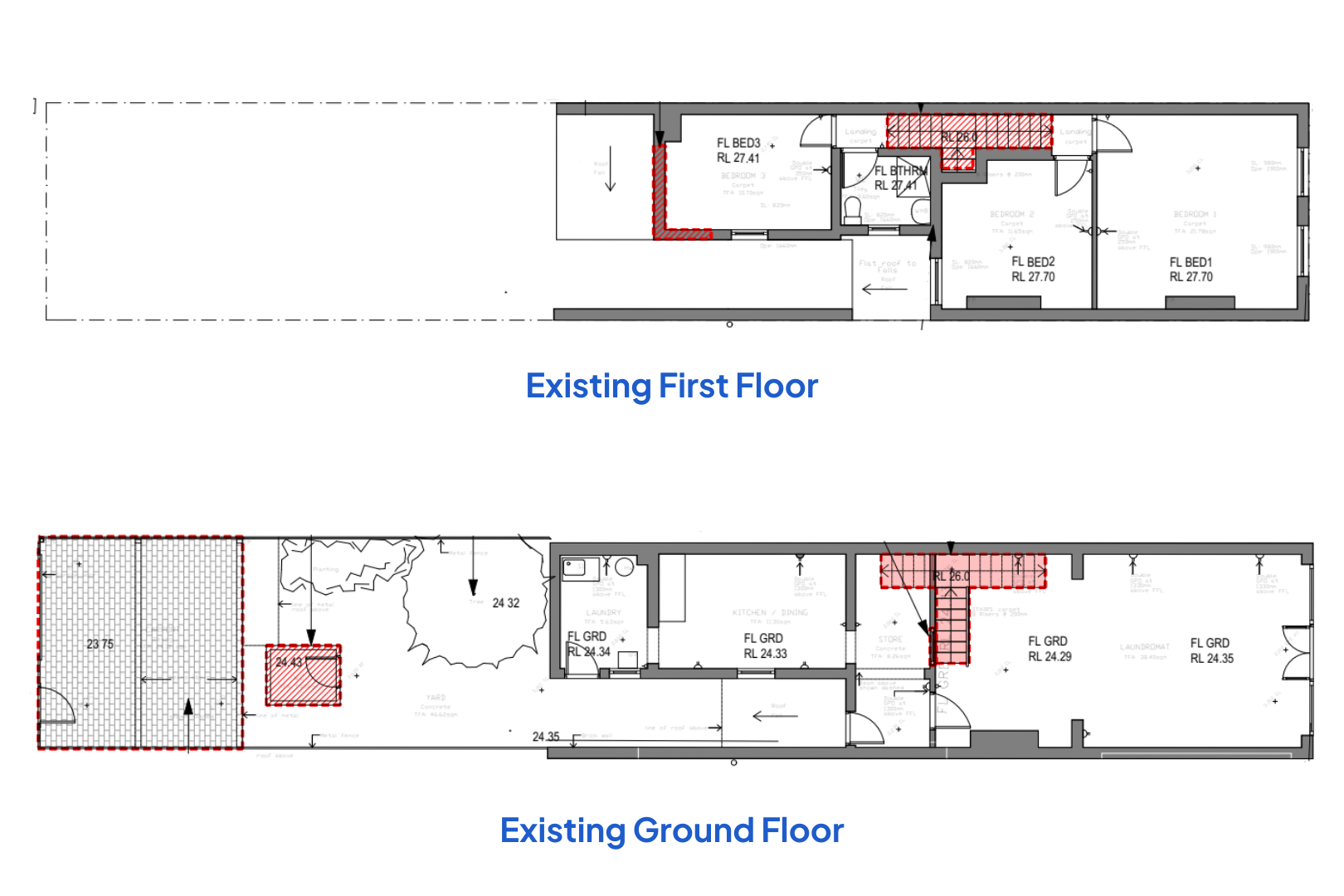
Existing Property and Block
Due to the complexity of the site, specialist consultants were engaged earlier than usual during the feasibility stage to assess both planning and building code compliance risks.
Consultants Engaged:
Key risks impacting ROI:
Planning Controls
The property is zoned E1 Local Centre under the Sydney LEP 2012, which permits the following relevant uses with development consent:
Additional planning controls identified:
These controls created several potential development opportunities.
Demographics
Demographic data for Glebe indicated strong demand for rental housing.
Market Analysis – Rent
The existing building configuration limited the property to a single tenancy.
Current rental income was compared against potential income under different development scenarios.
Potential change of use scenarios:
Commercial and Boarding House:
Commercial and 2br Apartment and Studio:
Rental increase potential:
Most rental uplift came from the residential component rather than retail.
Highest and Best Use
Highest and best use considers the most valuable use of the property that is physically possible, legally permissible and financially feasible. Two scenarios which are identified as both physically possible and legally permissible are:
The following sections assessed which option was financially feasible.
NCC Compliance & Construction
Mixed-use buildings create additional complexity due to different building classifications under the NCC.
Boarding House Scenario
Apartment and Studio Scenario
This created significantly different compliance requirements between the two options.
Analysis
Boarding House Scenario
Planning risk
Construction risk
Apartment and Studio Scenario
Planning risk
Construction risk
Results
Boarding House Scenario
Apartment and Studio Scenario
Total Estimated Cost
Both options would require significant consultant and construction costs due to the complexity of the site, with the boarding house option requiring a considerable increase in overall consultants and constructions costs.
Common cost elements for both scenarios included:
Additional costs for boarding house option:
ROI
Boarding House Scenario
Apartment and Studio Scenario
The apartment and studio scenario therefore represented the strongest financial outcome.
The feasibility study identified that the apartment and self contained studio option generated the best ROI.
The preferred strategy focused on creating three separate tenancies while controlling NCC compliance costs and maintaining flexibility for future leasing.
The design focused on achieving the following.
Several layout options were tested with input from specialist consultants. The most efficient and compliant design was ultimately submitted to council.
Development Consent was obtained after approximately eight months.
Conditions of consent applied to address the following issues prior to issue of construction certificate.
The project has not yet progressed into construction.
However feasibility identified several construction constraints:
A construction program of 10 months is anticipated.
The property was significantly underperforming from an income perspective. A long-term tenant occupied the entire building, operating a small business on the ground floor while residing in the upper levels.
As the residential areas could only be accessed through the retail tenancy, the building functioned as a single tenancy and could not be leased separately to commercial and residential occupants.
Due to the mixed-use zoning, the building presented several renovation and extension options.
The key challenge was identifying the highest and best use of the property that could unlock additional income while managing planning constraints, heritage considerations and NCC compliance requirements.
The investor’s objective was to determine which renovation and change-of-use strategy would deliver the strongest return on investment.
Key Challenges
Existing Property and Block
Due to the complexity of the site, specialist consultants were engaged earlier than usual during the feasibility stage to assess both planning and building code compliance risks.
Consultants Engaged:
Key risks impacting ROI:
Planning Controls
The property is zoned E1 Local Centre under the Sydney LEP 2012, which permits the following relevant uses with development consent:
Additional planning controls identified:
These controls created several potential development opportunities.
Demographics
Demographic data for Glebe indicated strong demand for rental housing.
Market Analysis – Rent
The existing building configuration limited the property to a single tenancy.
Current rental income was compared against potential income under different development scenarios.
Potential change of use scenarios:
Commercial and Boarding House:
Commercial and 2br Apartment and Studio:
Rental increase potential:
Most rental uplift came from the residential component rather than retail.
Highest and Best Use
Highest and best use considers the most valuable use of the property that is physically possible, legally permissible and financially feasible. Two scenarios which are identified as both physically possible and legally permissible are:
The following sections assessed which option was financially feasible.
NCC Compliance & Construction
Mixed-use buildings create additional complexity due to different building classifications under the NCC.
Boarding House Scenario
Apartment and Studio Scenario
This created significantly different compliance requirements between the two options.
Analysis
Boarding House Scenario
Planning risk
Construction risk
Apartment and Studio Scenario
Planning risk
Construction risk
Results
Boarding House Scenario
Apartment and Studio Scenario
Total Estimated Cost
Both options would require significant consultant and construction costs due to the complexity of the site, with the boarding house option requiring a considerable increase in overall consultants and constructions costs.
Common cost elements for both scenarios included:
Additional costs for boarding house option:
ROI
Boarding House Scenario
Apartment and Studio Scenario
The apartment and studio scenario therefore represented the strongest financial outcome.
The feasibility study identified that the apartment and self contained studio option generated the best ROI.
The preferred strategy focused on creating three separate tenancies while controlling NCC compliance costs and maintaining flexibility for future leasing.
The design focused on achieving the following.
Several layout options were tested with input from specialist consultants. The most efficient and compliant design was ultimately submitted to council.
Development Consent was obtained after approximately eight months.
Conditions of consent applied to address the following issues prior to issue of construction certificate.
The project has not yet progressed into construction.
However feasibility identified several construction constraints:
A construction program of 10 months is anticipated.
The feasibility study concluded that the apartment and studio scenario represented the highest and best use of the property.
The renovation and extension would convert the building from a single tenancy into three separate income streams.
Configuration on completion
Return on investment
If you have a project in mind, now is the perfect time to speak with someone who can help you plan it properly.