Ashfield, Sydney. Multi Generational Living Under The Same Roof

Project Overview

Status: In Construction

Services: Feasibility, Design, Approvals, Construction

Client: Multi generational family 

Scope: Entire house renovation including minor landscaping


This project assessed renovation options for a double-storey home in Ashfield to support multigenerational living for a family of six, including two grandparents.


While the house had sufficient floor area, the layout was compartmentalised and not suited to modern family living. The family wanted separate living zones for the grandparents and a teenagers’ retreat while maintaining shared spaces.


Initial concepts explored creating a self-contained secondary dwelling on the ground floor. However, feasibility analysis showed limited market support and higher planning and construction complexity.


Higher ROI was achieved by reconfiguring the existing dwelling into a more functional single family home with multiple living zones.


Project Snapshot


Location: Ashfield, Sydney

Property Type: Double-storey house

Land Size: ~680m² battle-axe block

Construction: Double brick

Zoning: R2 Low Density Residential

Highest & Best Use: Large family home instead of home and secondary dwelling

Strategy: reconfigure layout for modern multizone living

Approval pathway: CDC

Construction: 8 months

ROI: breakeven initially with long term capital growth of 7.8% pa.
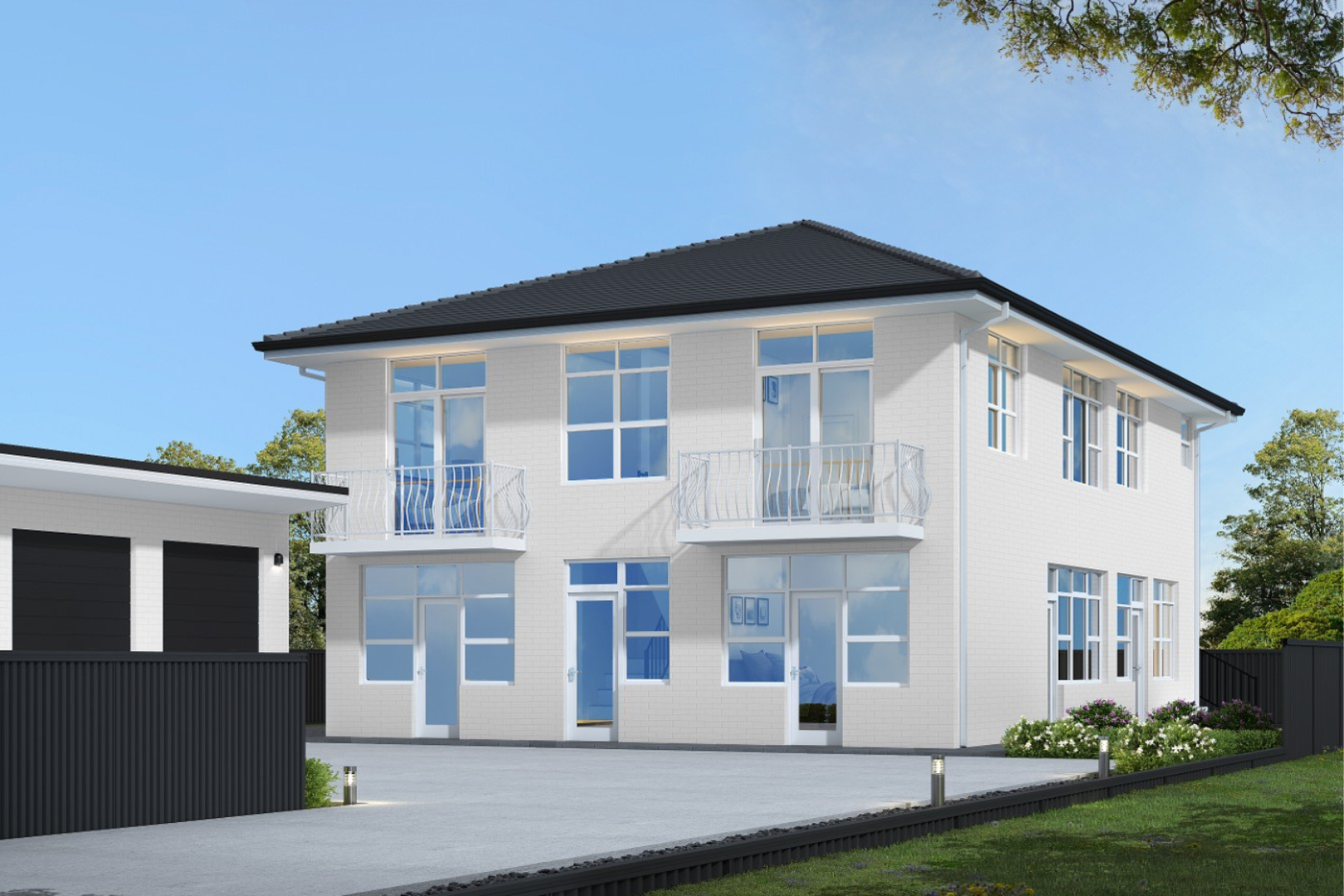
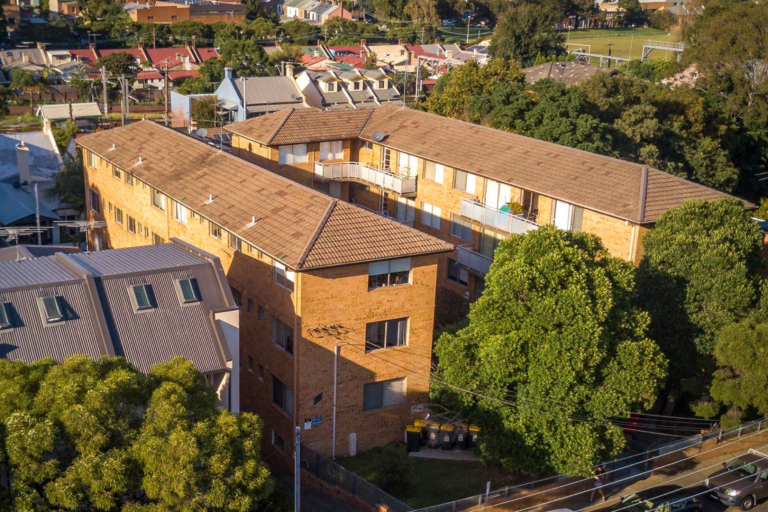
front facade of double storey house

The Challenge

The existing layout was inefficient and lacked the spaces required for modern family living. Bathrooms were outdated, the kitchen was undersized for a six-person household and the home lacked flexible living areas.


The grandparents were intended to occupy the ground floor, which required improved accessibility and greater independence within the house.


At the same time, the homeowners wanted to retain shared family spaces and maintain the backyard rather than building a detached granny flat.


The challenge was to determine whether multigenerational living could be achieved through renovation or extension without compromising functionality or property value.


Client Requirements

  • 4 bedrooms, 1 home office
  • 3 bathrooms, 2 kitchens ,2 dining areas
  • 2–3 living,rumpus rooms
  • Ground floor primarily used by grandparents, age-friendly design features
  • Maintain backyard space. Retain existing garage.


Existing Conditions

  • 6 compact bedrooms, 2 bathrooms
  • 1 kitchen, 2 living areas, 1 dining room
  • Compartmentalised floor plan

Feasibility

A feasibility assessment was undertaken to determine whether multigenerational living could be delivered through renovation or extension while remaining practical, compliant and financially viable.


Demographics 

  • 5–6+ person households: 6% (Sydney average 11.5%)
  • 5+ bedroom dwellings: 3.1% (Sydney average 8.7%)
  • Persons per dwelling: 2.28 (Sydney average 2.68)
  • Detached houses: 20.7% of housing stock (Sydney average 53.4%)
  • Age groups broadly similar to Sydney overall


These indicators suggest multigenerational living and dwellings are relatively uncommon in Ashfield putting value add potential as low. 


Comparable Sales 

  • Limited comparable sales due to softer market conditions likely caused by higher interest rates
  • Property values increase with more bedrooms and bathrooms
  • Larger dwellings generally achieve higher sale prices
  • Extension works typically deliver stronger value uplift than internal reconfiguration alone


The Market 

  • Capital growth broadly aligned with greater Sydney trends
  • Moderate price volatility typical of property cycles
  • Current market conditions subdued due to higher borrowing costs


Highest and Best Use 

  • Permitted uses include semi detached dwellings (duplexes) and secondary dwellings (granny flats) 
  • Existing house structure value currently higher than underlying land value
  • Future highest and best use may be duplex redevelopment once structure value depreciates and underlying land value increases resulting the property having ‘land value’ only. 


Current highest and best use remains a single residential dwelling.


The Existing Property 

  • Battle-axe block
  • Land size approximately 680m²
  • Wide block: 15.4m frontage
  • Level site
  • Double-storey double brick construction
  • Internal walls mix of masonry and plasterboard


Planning Controls 

  • No planning definition for multigenerational housing under LEP.
  • Its achieved through use of secondary dwelling permitted use. 
  • Maximum internal floor 60m2 permitted for secondary dwellings.
  • Under utilised FSR providing potential for extension or detached secondary dwelling (granny flat).  


Detached Secondary Dwelling

  • Permitted under planning controls
  • Likely CDC approval pathway
  • Will consume backyard space


Attached Secondary Dwelling

  • Also permitted under planning controls
  • 60m² limit creates inefficient internal layouts based on current ground floor plan. 
  • Reduces flexibility for open-plan living


Construction and NCC 

  • Secondary dwellings typically classified as Class 1a buildings (NCC)
  • Fire separation wall required between dwellings
  • Minimum 60-minute FRL rating


Detached Secondary Dwelling

  • Faster construction
  • Main house can remain occupied


Attached Secondary Dwelling

  • Existing house likely needs to be vacated
  • Additional fire separation requirements
  • Longer construction timeframe


Analysis 

  • Client objective: self-contained ground floor space for grandparents
  • Detached option: simpler construction but loss of backyard
  • Attached option: inefficient layout due to 60m² restriction
  • Demographic data indicates limited demand for multigenerational housing in Ashfield


Results 

Three options were assessed:

Detached Secondary Dwelling

  • Self-contained accommodation
  • Loss of backyard space
  • Value-add potential uncertain


Attached Secondary Dwelling

  • Preserves backyard
  • Inefficient layout due to 60m² restriction
  • Additional construction complexity


Internal Reconfiguration only (no secondary dwelling)

  • Maintains single dwelling classification
  • Allows full use of existing ground floor
  • Avoids secondary dwelling constraints


Total Estimated Cost 

  • Design and approvals: CDC pathway most cost effective
  • Construction: attached and detached secondary dwellings resulted in similar costs
  • Internal reconfiguration: lowest overall project cost


ROI 

  • Limited comparable sales supporting multigenerational housing in Ashfield
  • Demographic indicators show low demand for large multigenerational homes
  • Backyard space remains highly valued for freestanding homes 


Best ROI outcome:

  • Internal reconfiguration delivering improved functionality at the lowest cost.


Design Development & Value Engineering

The feasibility study ultimately determined that creating a secondary dwelling would not produce the best return on investment.

Instead, the most practical and cost-effective solution was to undertake a comprehensive internal reconfiguration of the existing dwelling.

This approach allowed the home to remain a single dwelling while significantly improving functionality for the entire family.


Final Design

Ground Floor

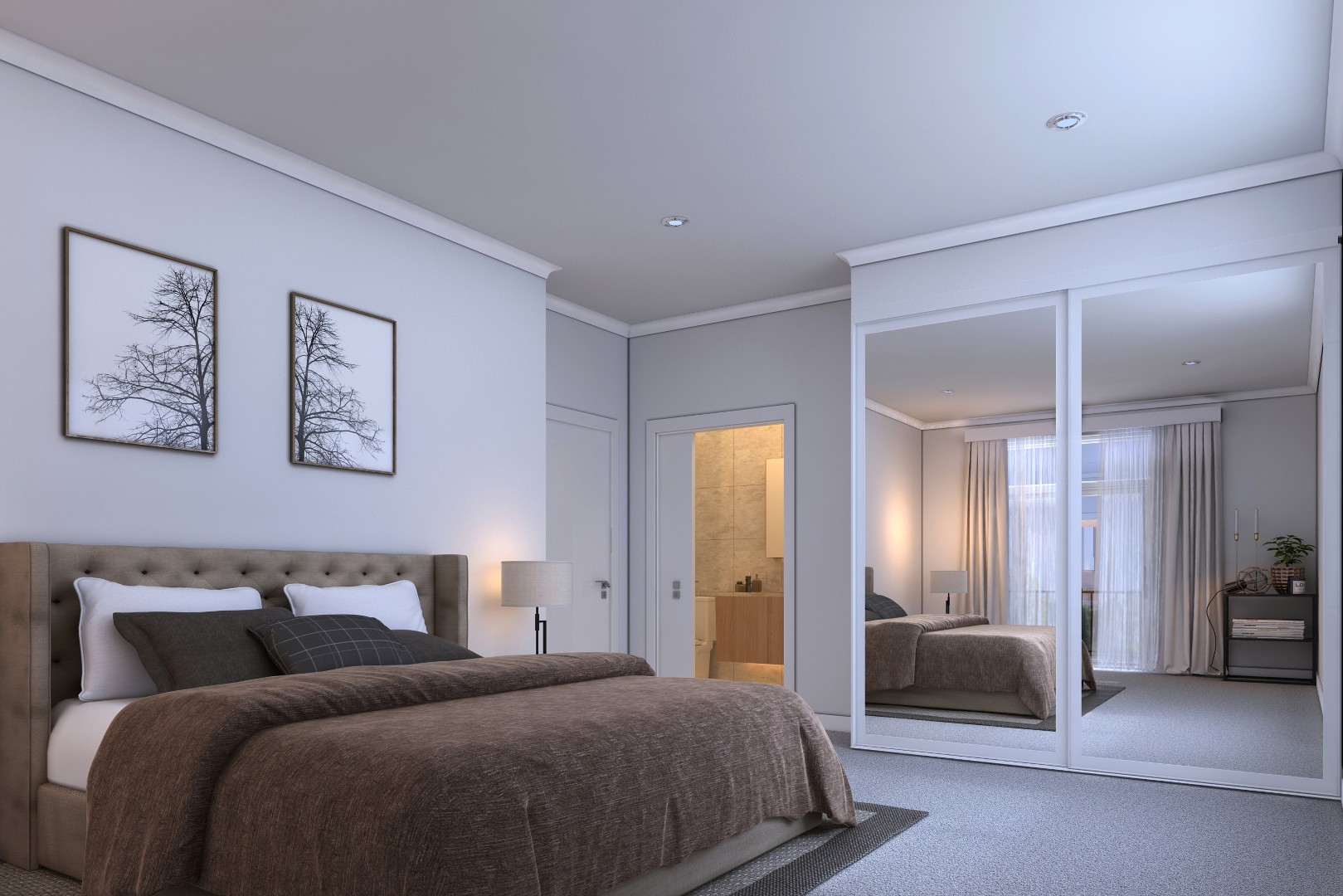
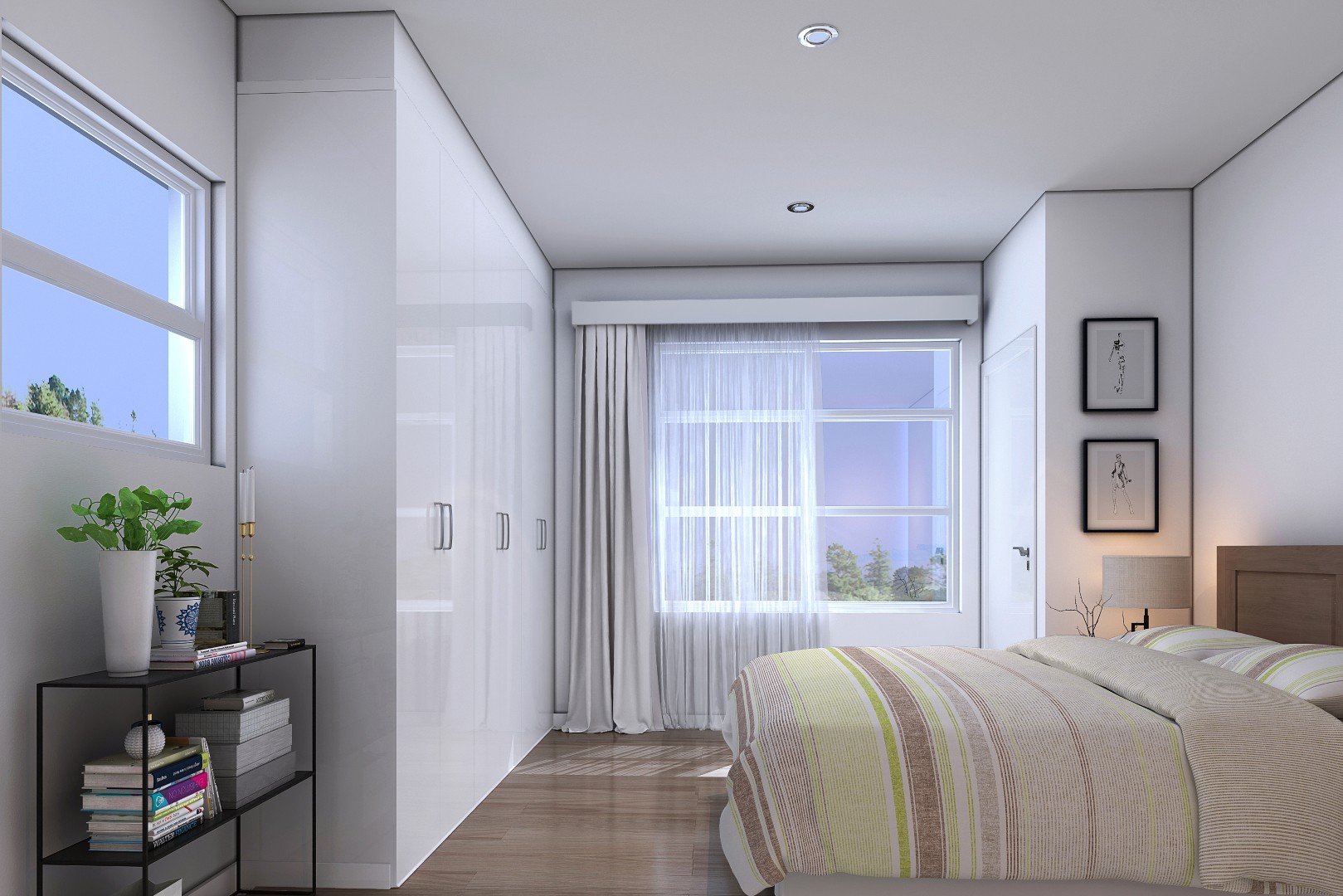
  • 1 bedroom for grandparents
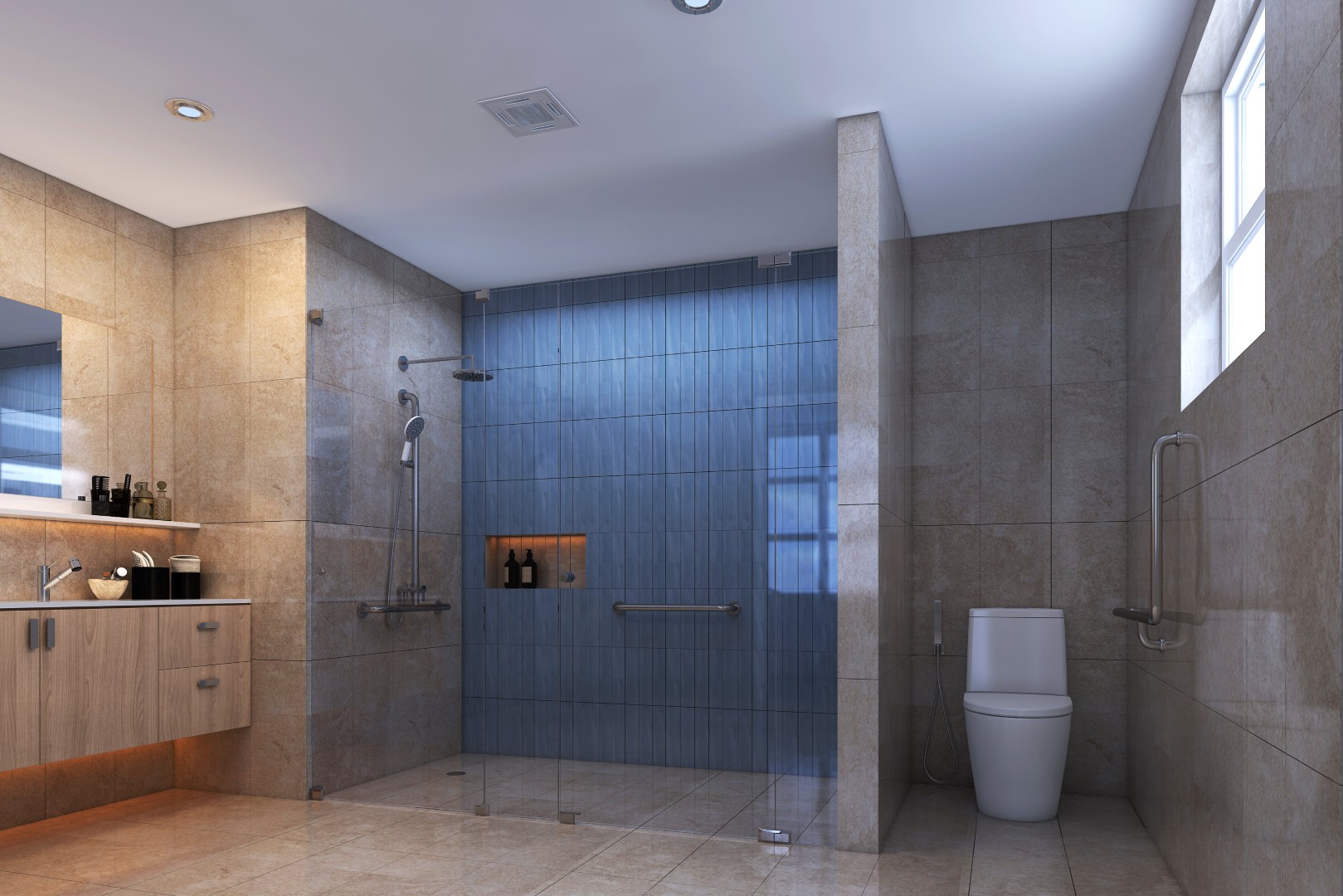
  • 1 bathroom designed for accessibility
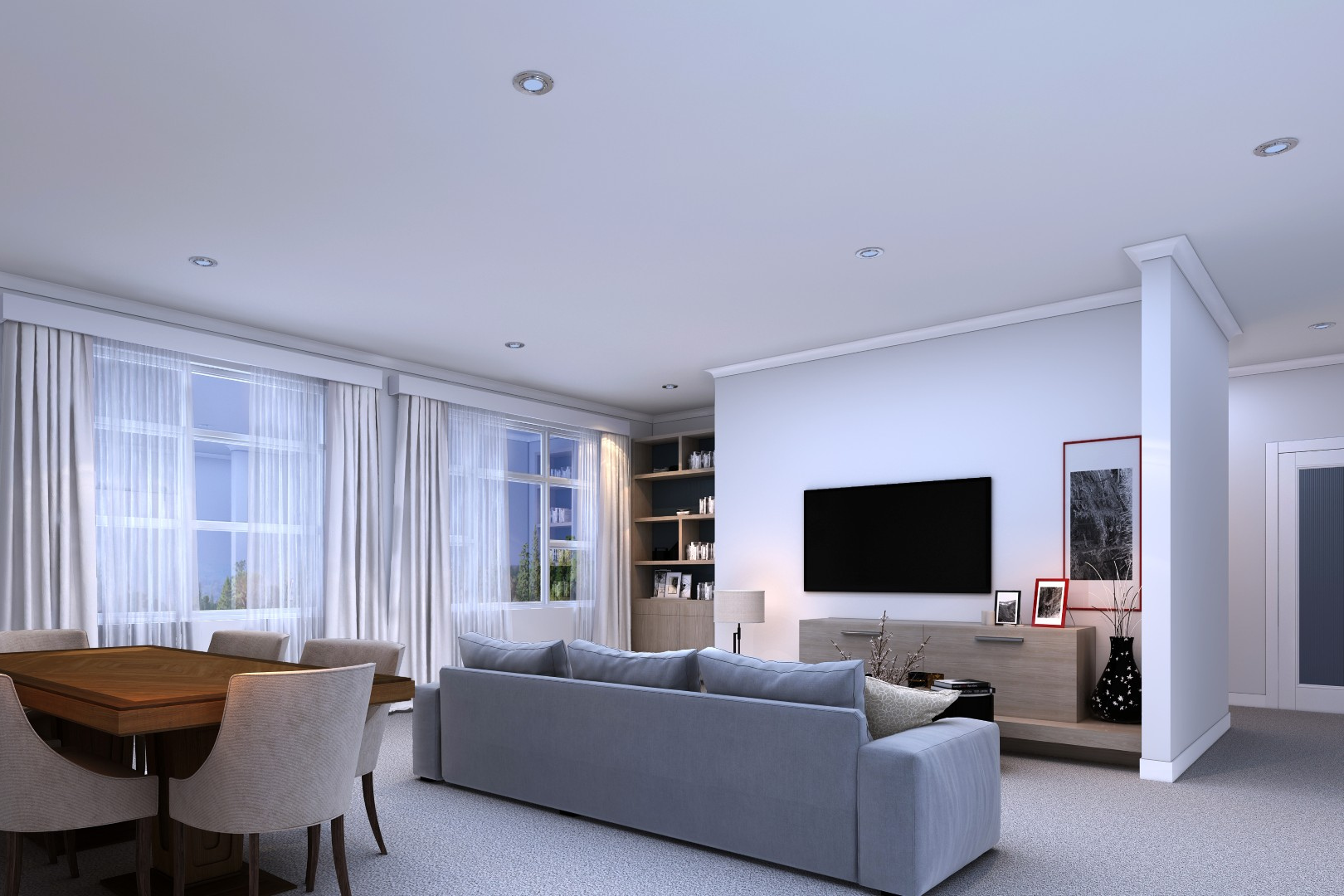
  • 1 living area and 1 laundry
  • Shared main kitchen and dining area


First Floor

  • 3 bedrooms
  • 1 bathroom and 1 ensuite
  • Media room and living area, 1 laundry
  • Small wet bar for light meals and breakfast


The wet bar was introduced as a compromise solution to provide limited kitchenette functionality without triggering secondary dwelling regulations.

Approvals

The renovation works were approved under the Complying Development Certificate (CDC) pathway.

Construction

Construction has commenced and the project is currently underway. It is expected to take 8 months. 

The works involve extensive internal reconfiguration alongside a full renovation of the property.


Construction Scope

  • Structural reconfiguration of internal layout
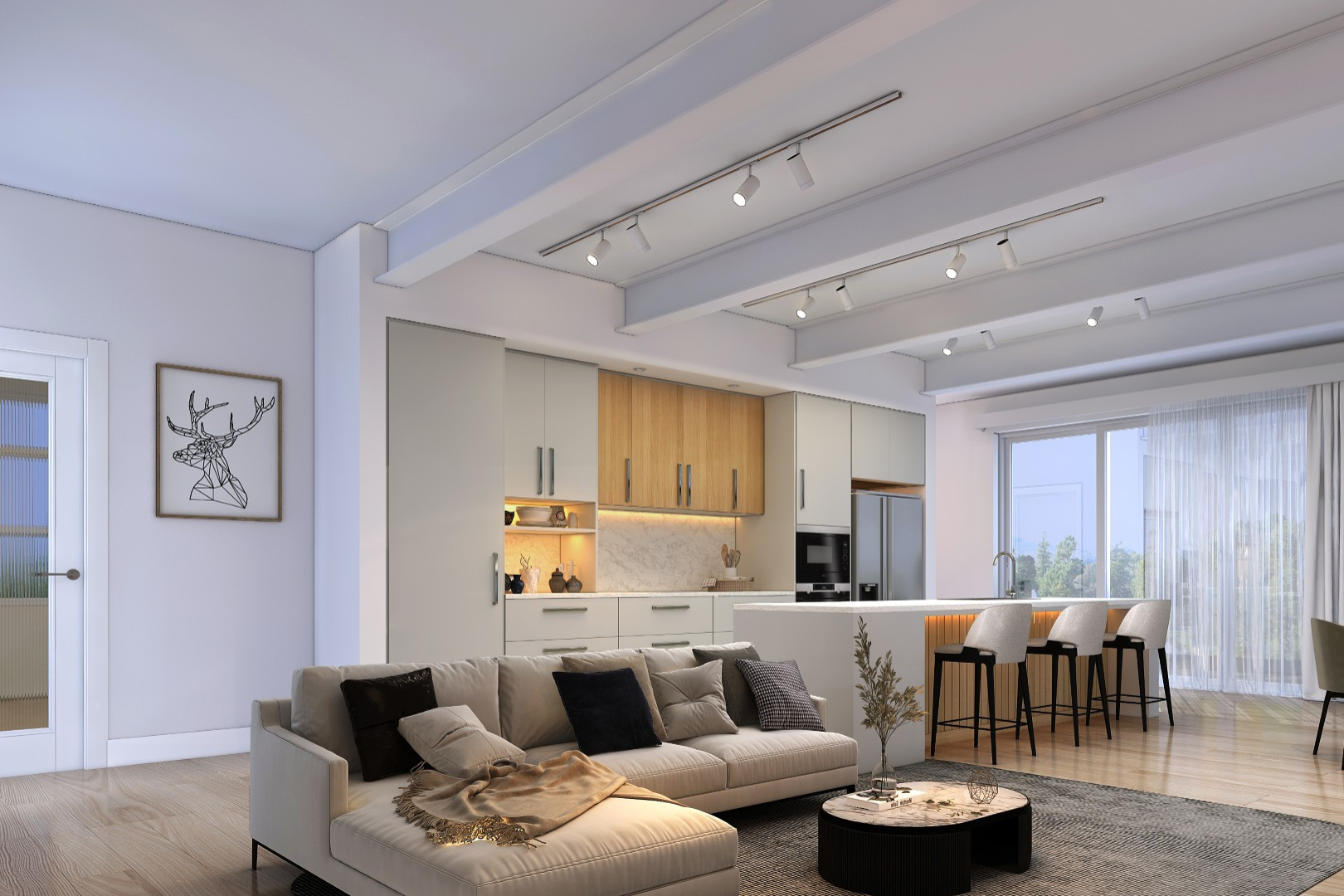
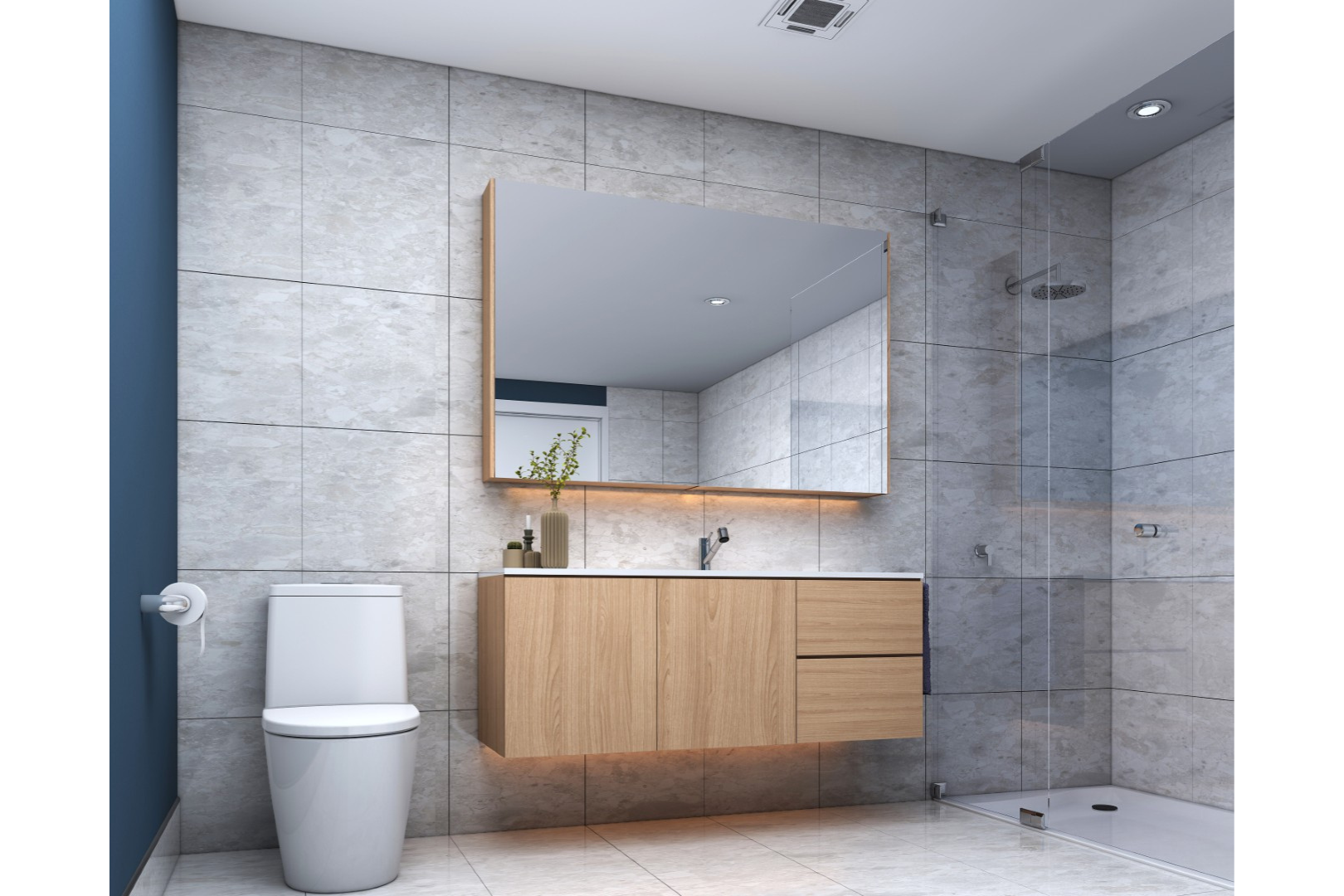
  • Full renovation of kitchen and bathrooms
  • Accessibility modifications for grandparents
  • New finishes throughout the house

The existing layout was inefficient and lacked the spaces required for modern family living. Bathrooms were outdated, the kitchen was undersized for a six-person household and the home lacked flexible living areas.


The grandparents were intended to occupy the ground floor, which required improved accessibility and greater independence within the house.


At the same time, the homeowners wanted to retain shared family spaces and maintain the backyard rather than building a detached granny flat.


The challenge was to determine whether multigenerational living could be achieved through renovation or extension without compromising functionality or property value.


Client Requirements

  • 4 bedrooms, 1 home office
  • 3 bathrooms, 2 kitchens ,2 dining areas
  • 2–3 living,rumpus rooms
  • Ground floor primarily used by grandparents, age-friendly design features
  • Maintain backyard space. Retain existing garage.


Existing Conditions

  • 6 compact bedrooms, 2 bathrooms
  • 1 kitchen, 2 living areas, 1 dining room
  • Compartmentalised floor plan

A feasibility assessment was undertaken to determine whether multigenerational living could be delivered through renovation or extension while remaining practical, compliant and financially viable.


Demographics 

  • 5–6+ person households: 6% (Sydney average 11.5%)
  • 5+ bedroom dwellings: 3.1% (Sydney average 8.7%)
  • Persons per dwelling: 2.28 (Sydney average 2.68)
  • Detached houses: 20.7% of housing stock (Sydney average 53.4%)
  • Age groups broadly similar to Sydney overall


These indicators suggest multigenerational living and dwellings are relatively uncommon in Ashfield putting value add potential as low. 


Comparable Sales 

  • Limited comparable sales due to softer market conditions likely caused by higher interest rates
  • Property values increase with more bedrooms and bathrooms
  • Larger dwellings generally achieve higher sale prices
  • Extension works typically deliver stronger value uplift than internal reconfiguration alone


The Market 

  • Capital growth broadly aligned with greater Sydney trends
  • Moderate price volatility typical of property cycles
  • Current market conditions subdued due to higher borrowing costs


Highest and Best Use 

  • Permitted uses include semi detached dwellings (duplexes) and secondary dwellings (granny flats) 
  • Existing house structure value currently higher than underlying land value
  • Future highest and best use may be duplex redevelopment once structure value depreciates and underlying land value increases resulting the property having ‘land value’ only. 


Current highest and best use remains a single residential dwelling.


The Existing Property 

  • Battle-axe block
  • Land size approximately 680m²
  • Wide block: 15.4m frontage
  • Level site
  • Double-storey double brick construction
  • Internal walls mix of masonry and plasterboard


Planning Controls 

  • No planning definition for multigenerational housing under LEP.
  • Its achieved through use of secondary dwelling permitted use. 
  • Maximum internal floor 60m2 permitted for secondary dwellings.
  • Under utilised FSR providing potential for extension or detached secondary dwelling (granny flat).  


Detached Secondary Dwelling

  • Permitted under planning controls
  • Likely CDC approval pathway
  • Will consume backyard space


Attached Secondary Dwelling

  • Also permitted under planning controls
  • 60m² limit creates inefficient internal layouts based on current ground floor plan. 
  • Reduces flexibility for open-plan living


Construction and NCC 

  • Secondary dwellings typically classified as Class 1a buildings (NCC)
  • Fire separation wall required between dwellings
  • Minimum 60-minute FRL rating


Detached Secondary Dwelling

  • Faster construction
  • Main house can remain occupied


Attached Secondary Dwelling

  • Existing house likely needs to be vacated
  • Additional fire separation requirements
  • Longer construction timeframe


Analysis 

  • Client objective: self-contained ground floor space for grandparents
  • Detached option: simpler construction but loss of backyard
  • Attached option: inefficient layout due to 60m² restriction
  • Demographic data indicates limited demand for multigenerational housing in Ashfield


Results 

Three options were assessed:

Detached Secondary Dwelling

  • Self-contained accommodation
  • Loss of backyard space
  • Value-add potential uncertain


Attached Secondary Dwelling

  • Preserves backyard
  • Inefficient layout due to 60m² restriction
  • Additional construction complexity


Internal Reconfiguration only (no secondary dwelling)

  • Maintains single dwelling classification
  • Allows full use of existing ground floor
  • Avoids secondary dwelling constraints


Total Estimated Cost 

  • Design and approvals: CDC pathway most cost effective
  • Construction: attached and detached secondary dwellings resulted in similar costs
  • Internal reconfiguration: lowest overall project cost


ROI 

  • Limited comparable sales supporting multigenerational housing in Ashfield
  • Demographic indicators show low demand for large multigenerational homes
  • Backyard space remains highly valued for freestanding homes 


Best ROI outcome:

  • Internal reconfiguration delivering improved functionality at the lowest cost.


The feasibility study ultimately determined that creating a secondary dwelling would not produce the best return on investment.

Instead, the most practical and cost-effective solution was to undertake a comprehensive internal reconfiguration of the existing dwelling.

This approach allowed the home to remain a single dwelling while significantly improving functionality for the entire family.


Final Design

Ground Floor

  • 1 bedroom for grandparents
  • 1 bathroom designed for accessibility
  • 1 living area and 1 laundry
  • Shared main kitchen and dining area


First Floor

  • 3 bedrooms
  • 1 bathroom and 1 ensuite
  • Media room and living area, 1 laundry
  • Small wet bar for light meals and breakfast


The wet bar was introduced as a compromise solution to provide limited kitchenette functionality without triggering secondary dwelling regulations.

The renovation works were approved under the Complying Development Certificate (CDC) pathway.

Construction has commenced and the project is currently underway. It is expected to take 8 months. 

The works involve extensive internal reconfiguration alongside a full renovation of the property.


Construction Scope

  • Structural reconfiguration of internal layout
  • Full renovation of kitchen and bathrooms
  • Accessibility modifications for grandparents
  • New finishes throughout the house

Results & ROI

The best strategy focused on delivering a highly functional family home rather than a formal multigenerational property.


The renovation is expected to broadly break even on total project cost, with long-term value supported by Ashfield’s historical median house price growth of approximately 7.8% per year.


The value of the renovation comes from transforming the property into a modern, open-plan family home aligned with local market demand.


Project Outcome

  • Functional layout for three generations
  • Fully renovated home within existing footprint
  • Improved living spaces and accessibility

Key Takeaways

  • Secondary dwellings are the legal pathway for multigenerational living, as planning controls don’t define “multigenerational housing” as a permitted use.
  • Research local demand first. Secondary dwellings or granny flats don’t always translate into higher property value.
  • Small compromises can protect ROI. Foregoing a second kitchen avoided triggering costly secondary dwelling requirements.

Other Case Studies

Ready to Talk?

If you have a project in mind, now is the perfect time to speak with someone who can help you plan it properly.